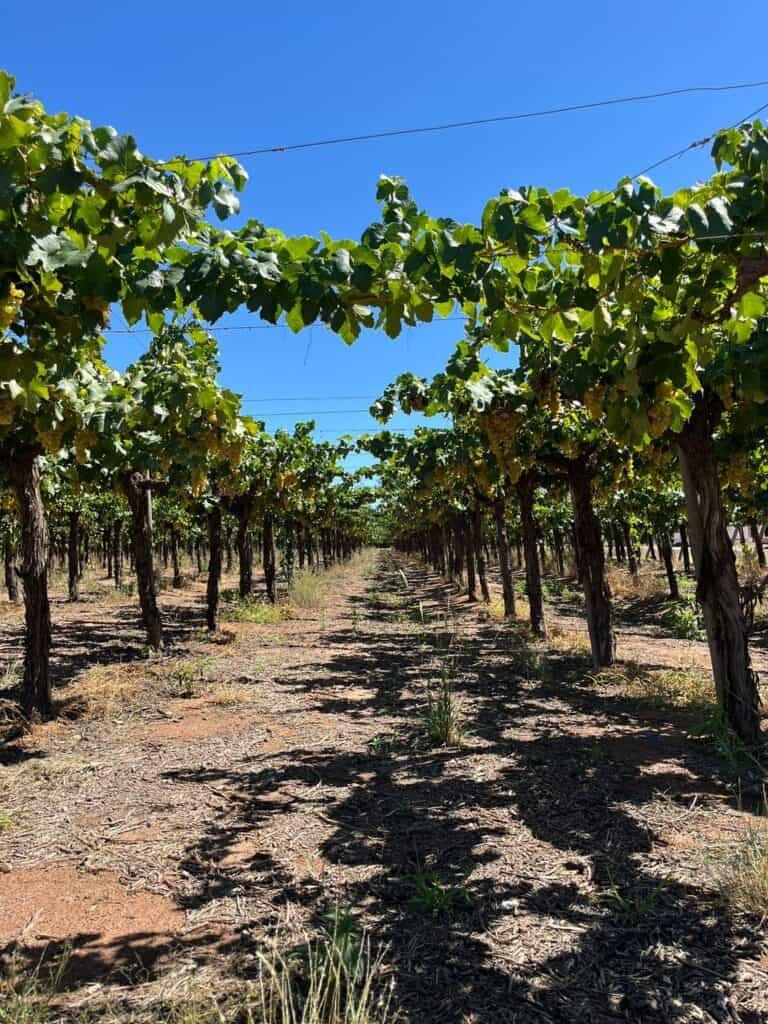
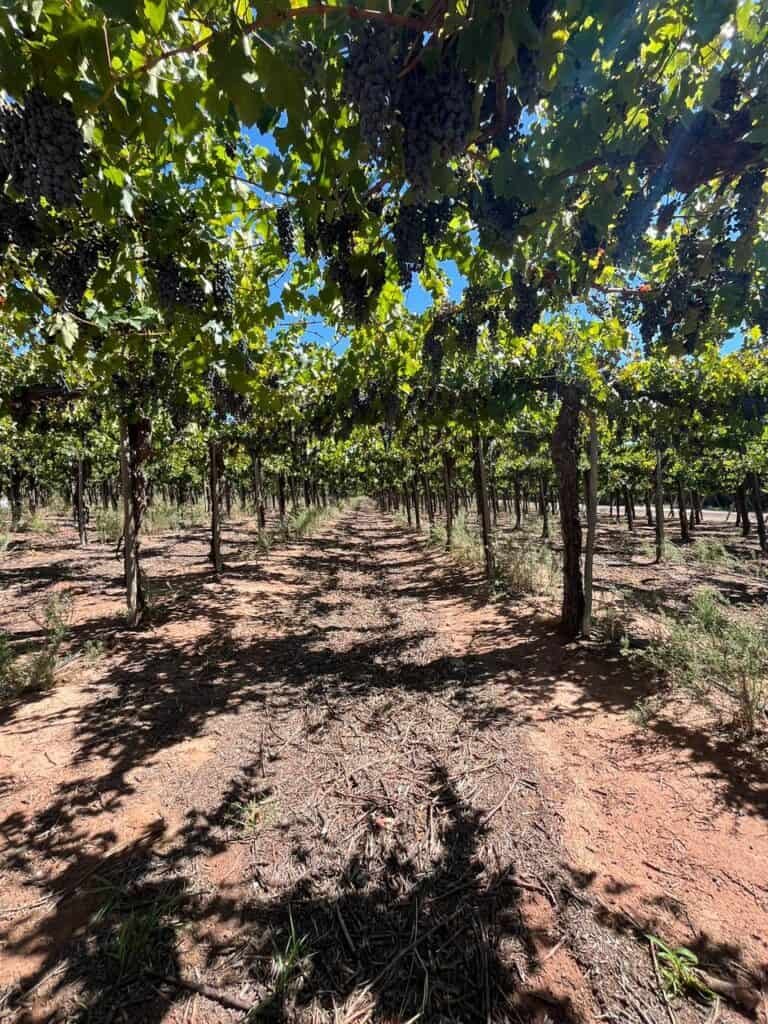
The Argentina wine route tells a story that spans more than five centuries of winemaking — and there’s a hidden gem most people still haven’t discovered.
Which Argentine Wine Regions Are Actually Worth Visiting?
The Argentina wine route — known locally as the Ruta del Vino — is a circuit of wine-producing provinces in the north-west of the country, nestled at the foot of the Andes. With a fascinating blend of indigenous heritage and European colonial influence, Argentine winemaking has evolved over centuries to become a cornerstone of the country’s national identity.
Wine production stretches from north to south, but it is the north-western corridor that captivates the world — and where the Ruta del Vino truly comes alive.
Which Provinces Make Up the Argentina Wine Route?
The Ruta del Vino covers six key provinces, running from south to north: Mendoza, San Juan, La Rioja, Catamarca, Tucumán and Salta. Together, they offer dramatic landscapes, rich soils and microclimates that produce some of the most distinctive wines in the world.
Mendoza: Argentina’s Wine Capital
Mendoza is the undisputed star of the Argentina wine route. A top destination for wine tourism, it is home to renowned sub-regions including San Rafael, Luján de Cuyo and Mendoza city. Impressively, six of The World’s 50 Best Vineyards are located here — a testament to Mendoza’s global standing.
A Mendoza Malbec is rich, full-bodied and fruit-forward, shaped by high-altitude sunshine and cool nights. If Argentina wine is on your radar, Mendoza is where most people start.
Salta & Cafayate: High-Altitude Wine Country
Salta has grown significantly in prominence in recent years. Its extraordinary cuisine, dramatic Andean scenery and high-altitude vineyards make it a compelling wine destination. Cafayate is the heart of wine production in the province, producing elegant high-altitude whites and reds. Pair a glass with Empanadas Salteñas for an authentic taste of the region.
San Juan: Dinosaurs, Desert and Torrontés
San Juan is Argentina’s second-largest wine-producing province and home to one of the three varieties of torrontés — the torrontés sanjuanino. Beyond wine, the province boasts one of the world’s most extraordinary natural landmarks: Ischigualasto National Park (Valle de la Luna / Valley of the Moon), a UNESCO World Heritage Site whose lunar-like landscape dates to the Mesozoic era. The arid, mineral-rich soil is exactly what makes San Juan’s wines so distinctive.
Catamarca: Where the Andes Meet Ancient Vines
Catamarca sits between San Juan and Tucumán and remains one of the least visited provinces on the Argentina wine route — which is precisely what makes it worth seeking out. The province produces small volumes of wine from high-altitude vineyards, many of which have been cultivated by the same families for generations.
The terrain here is extreme: rocky, mineral-rich soils at elevations that would be unthinkable in most of Europe. Torrontés and Malbec both grow in Catamarca, but it is the white wines — aromatic, taut and distinctly Andean — that leave the strongest impression. For travellers willing to go off the beaten track, Catamarca offers a glimpse of winemaking as it has always been done.
La Rioja, Argentina: The Hidden Gem of the Wine Route
(Not to be confused with La Rioja in Spain.)
La Rioja is the most overlooked province on the Argentina wine route — and arguably the most rewarding to discover. While Mendoza has long dominated the spotlight, La Rioja has been quietly producing exceptional wines from some of the most dramatic terrain in South America.
In Famatina, the cooperatives are developing top-class organic Argentinian wines which hold Fairtrade certifications, contributing to the growth and developments of families in the region. Another huge reason to support them
Its climate is hotter and drier than Mendoza, shaped by a rugged, arid landscape of bold red rock canyons, shimmering salt flats, high-altitude mountain lagoons and otherworldly desert valleys. The province is home to Talampaya National Park, a UNESCO World Heritage Site, and is also renowned for producing award-winning olive oil.
Most importantly for wine lovers, La Rioja is the birthplace of torrontés riojano — Argentina’s most celebrated native white grape.
Torrontés Riojano: Argentina’s Signature White Wine
Of the three torrontés varieties grown in Argentina, torrontés riojano is the most prized. Originating in La Rioja, it is the only truly native Argentine grape — aromatic, floral and refreshingly dry when made well.
In London, torrontés is often misunderstood — sometimes dismissed as too sweet or too fragrant. More often than not, it is blended rather than bottled on its own. I believe this does it a disservice. A well-made torrontés riojano is one of the world’s great white wines: expressive, food-friendly and centuries of Andean history in every glass.
Why La Rioja Deserves More Attention
La Rioja has everything: valleys, canyons, high-altitude lagoons home to wild pink flamingos, a UNESCO-listed national park, world-class olive oil, and the only native Argentine wine grape. Yet it remains barely known outside Argentina.
Every bottle of torrontés riojano is a taste of resilience — of small family-owned vineyards in remote valleys like Famatina, working with ancient soils to produce something genuinely unique.
Salud.
FAQs About the Argentina Wine Route
What is the Route of Wine in Argentina?
The Route of Wine (Ruta del Vino) is a circuit of wine-producing provinces in north-west Argentina, at the foot of the Andes. It is the country’s primary wine-growing region and a major wine tourism destination.
Which provinces make up the Argentina wine route?
The Ruta del Vino includes Mendoza, San Juan, La Rioja, Catamarca, Tucumán and Salta.
What is Argentina’s signature wine grape?
Torrontés is Argentina’s only native white grape. The most celebrated variety — torrontés riojano — originates from La Rioja. The other two varieties are torrontés mendocino and torrontés sanjuanino.