The star of Argentinian wine is not exactly Argentine. Malbec is a French grape that found its home to thrive in South America. Learn why?
What is Malbec wine?
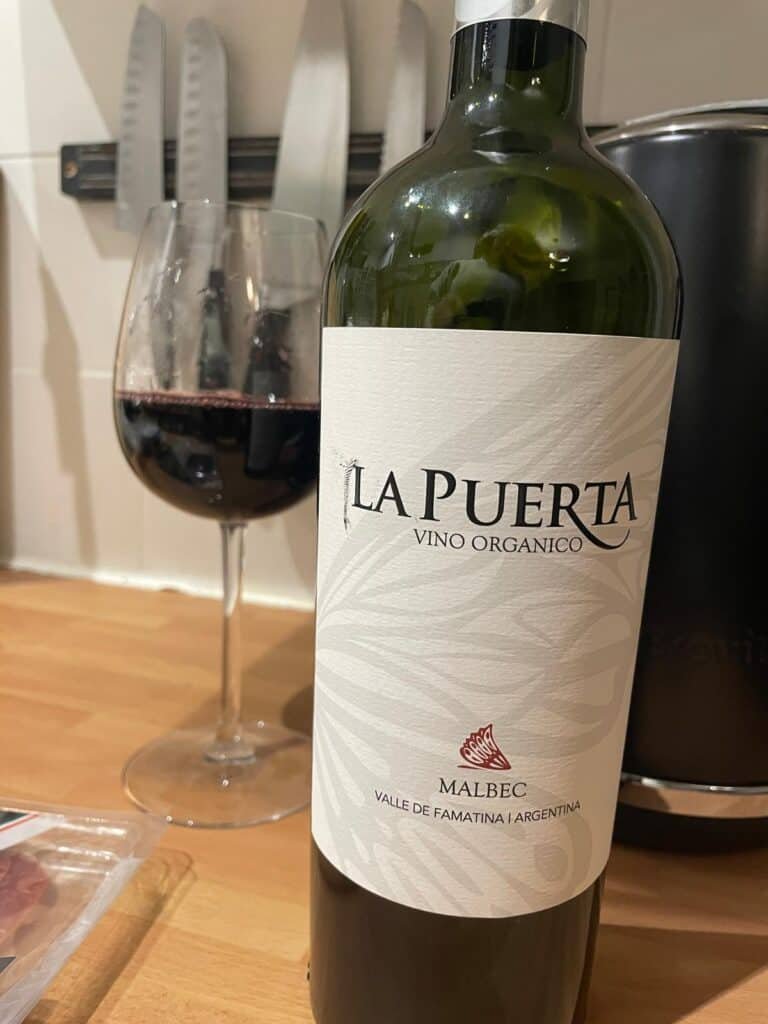
Malbec is a red grape variety known for producing full-bodied, deeply coloured wines with flavours of dark plum, blackberry, and black cherry. It has soft tannins compared to Cabernet Sauvignon, which makes it approachable and easy to enjoy without years of cellaring. Most bottles are ready to drink the moment you open them.
The grape originally comes from France, specifically from the Cahors region in southwest France, where it is still known as Côt or Auxerrois. In its French homeland it produces a much more rustic, tannic style that locals call “the black wine of Cahors.” But it was in Argentina that Malbec found its true home, transforming into something softer, more generous, and considerably easier to love.
Why did Malbec become Argentina’s signature wine?
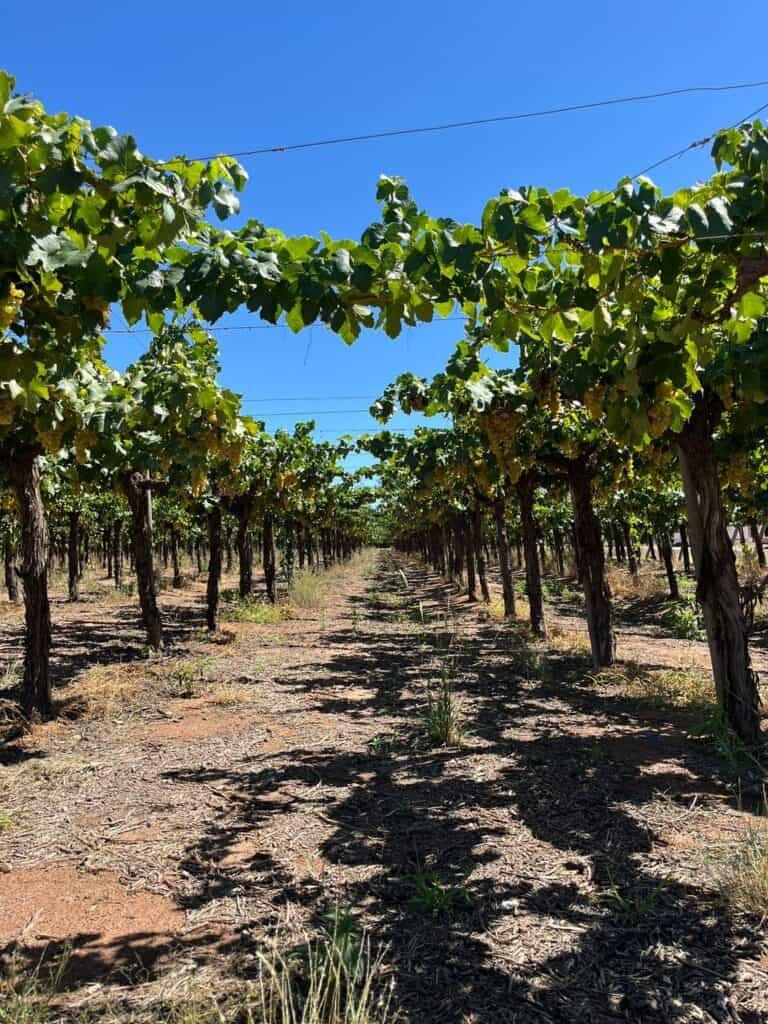
Malbec arrived in Argentina in the mid-nineteenth century, brought over by a French agronomist named Michel Pouget at the request of the Argentine government. It was planted primarily in Mendoza, where the dry climate, intense sunshine, and altitude created ideal growing conditions. The grape thrived in ways it never had in France.
By the 1990s, Argentine producers began exporting Malbec in volume to the UK and United States. The timing was perfect. Wine drinkers were looking for something bold, approachable, and well-priced. Argentine Malbec delivered on all three counts. Today, Malbec forms around 71% of Argentina’s bottled wine exports by volume, making it by far the country’s most exported variety.
The UK is one of Argentina’s most important wine markets. And the vast majority of what arrives on British shores is Malbec from Mendoza.
What does Malbec wine taste like?
A well-made Argentine Malbec typically offers:
- On the nose: dark plum, blackberry, violet, sometimes a hint of chocolate or tobacco depending on oak ageing
- On the palate: medium to full body, soft tannins, good fruit concentration, often a velvety texture
- The finish: warm, round, and generally not too long. This is a wine built for pleasure, not complexity
The style varies considerably depending on where the grapes are grown. Mendoza Malbec tends to be ripe and generous. High-altitude Malbec, grown in places like the Famatina Valley in La Rioja, tends to show more freshness, more acidity, and a more defined structure. The altitude slows ripening, which preserves the grape’s natural character rather than letting the heat flatten it out.
Mendoza vs the Famatina Valley: why altitude changes everything
Most people associate Argentine Malbec with Mendoza, and with good reason. Mendoza has the infrastructure, the export relationships, and the international reputation. But Argentina’s wine story does not begin and end there.
The Famatina Valley sits in La Rioja province, at the foot of the Famatina mountain range. A snow-capped peak towers above the valley even in the middle of summer. Vineyards here sit at around 1,500 metres above sea level. The days are blazing and the nights are sharp. Water comes down from the mountains, scarce and precious, and the arid conditions force the vines to work harder for every drop.
What this produces in the glass is Malbec with a different character entirely. Leaner. More mineral. More precise. The fruit is still there, the dark cherry and plum, but it sits alongside a freshness and tension that you rarely find in lower-altitude wines.
This is not a new discovery. The cooperative vineyards of the Famatina Valley have been producing wine for generations, run by families who have farmed the same land across multiple lifetimes. Some of their wine has historically been sent to Mendoza for bottling, which means it has ended up labelled as Mendoza wine rather than La Rioja. The origin has been invisible.
If you want to understand why this valley matters and why its wines deserve a place in every serious conversation about Argentine wine, the story runs deeper than most people realise.
That is part of what this site exists to change.
The best Malbec wines from Argentina: what to look for
When choosing an Argentine Malbec, the most important thing on the label is not the producer name. It is the region and the altitude.
Look for:
- La Rioja or Famatina Valley on the label. Still rare in the UK but worth seeking out
- Altitude noted on the back label. Anything above 1,000 metres will show more freshness
- Vintage within the last three to four years. Malbec is not built for long ageing at most price points
- Organic or biodynamic certification. The Famatina Valley has a particularly strong tradition of low-intervention farming
Avoid:
- Very cheap blended Malbec with no regional indication. These are often made from grapes sourced across multiple regions with no sense of place. You can spend a bit more money, without breaking the bank
- Heavily oaked expressions at lower price points. The oak can mask rather than complement the fruit
Malbec is the door. What is behind it is more interesting
Here is the thing about Malbec. It is a brilliant grape and Argentina does it better than almost anywhere else in the world. But if Malbec is the only Argentine wine you have ever tried, you have missed the most interesting part of the story.
The Famatina Valley does not just produce Malbec. It is also home to Argentina’s only truly native grape variety, a white wine called Torrontés Riojano that grows nowhere else in the world. Floral, fresh, and dry, it is the wine that Argentinians reach for on a hot afternoon. It is the wine that the people who make the Malbec actually drink.
Torrontés has a more floral quality as well as perceptible weight, and in the hands of growers who know the land, it produces something genuinely extraordinary. If you have never tried it, this guide to what Torrontés actually is is the best place to start.
And if you want to understand the full picture of Argentine wine, the cooperatives, the altitude, the families who have farmed this land for generations, the story of the Famatina Valley’s forgotten white grape is where it all begins.
The Famatina Valley is where both stories start.
FAQs
Is Malbec a French or Argentine wine?
The grape originates in France, where it is called Côt or Auxerrois and grown primarily in the Cahors region. Argentina adopted it in the nineteenth century and has since become the world’s leading producer, accounting for over 70% of global Malbec production. The two styles are very different. French Malbec is tannic and rustic, Argentine Malbec is
What food goes with Malbec?
Malbec is most famously paired with red meat, particularly Argentine beef, but it works well with anything rich and savoury. Lamb, hard cheeses, mushroom dishes, and slow-cooked stews all complement the wine’s dark fruit character and soft tannins.
Is Malbec sweet or dry?
Almost all Argentine Malbec is dry. The ripe, generous fruit character can give an impression of sweetness on the nose, but the palate is dry with soft tannins and moderate acidity.
What is the difference between Malbec and Torrontés?
Malbec is a red wine and Torrontés is a white. Malbec is French in origin and Argentina adopted it; Torrontés is indigenous to Argentina and grows nowhere else in the world. Where Malbec is bold and fruit-driven, Torrontés is floral, light, and fresh. They represent two completely different sides of Argentine wine. Read the full guide to what Torrontés tastes like and where to find it in the UK.
Where is the best Malbec in Argentina made?
Mendoza is the most well-known region but high-altitude areas like the Famatina Valley in La Rioja or Cafayate in Salta produce Malbec with more freshness and precision. These wines are less visible on UK shelves but represent some of the most interesting expressions of the grape.
What is the difference between Malbec from Mendoza and Malbec from La Rioja?
Mendoza Malbec tends to be riper, rounder, and more immediately generous. La Rioja Malbec, particularly from the Famatina Valley, is leaner and more mineral, with higher acidity and more defined structure. This is a result of the extreme altitude and cooler nights in the region.