If Sauvignon Blanc is your house white, the bottle you reach for without thinking, the one that’s always in the fridge, this post is for you. Not to replace it. Just to open a door.
Because if you’ve ever wanted something with the same freshness and aromatics, something that drinks just as easily but tells a completely different story, the answer is Torrontés. Argentina’s only native white grape. And almost nobody in the UK has heard of it.
I grew up in Argentina knowing this wine the way most Argentinians do, as something that just existed. On tables, without ceremony. The everyday wine nobody made a fuss about. When I moved to London, I assumed everyone knew it. I was wrong. Every conversation about Argentine wine ended with Malbec. Torrontés never came up.
My dad, a native riojano, used to drink Viñas Riojanas from the damajuana, a big glass demijohn that sat in the kitchen like it belonged there. To him, Torrontés was just wine. To me, it’s starting to feel like Argentina’s best kept secret. And I think it’s time that changed.
What is Torrontés?
Torrontés is Argentina’s signature white grape, and unlike Malbec, which came from France, Torrontés is genuinely native to Argentina. It’s a natural crossing that happened centuries ago, when Jesuit missionaries brought Muscat of Alexandria and Criolla Chica to the high-altitude valleys of the Andes. The two crossed, something new was born, and it put down roots here and almost nowhere else.
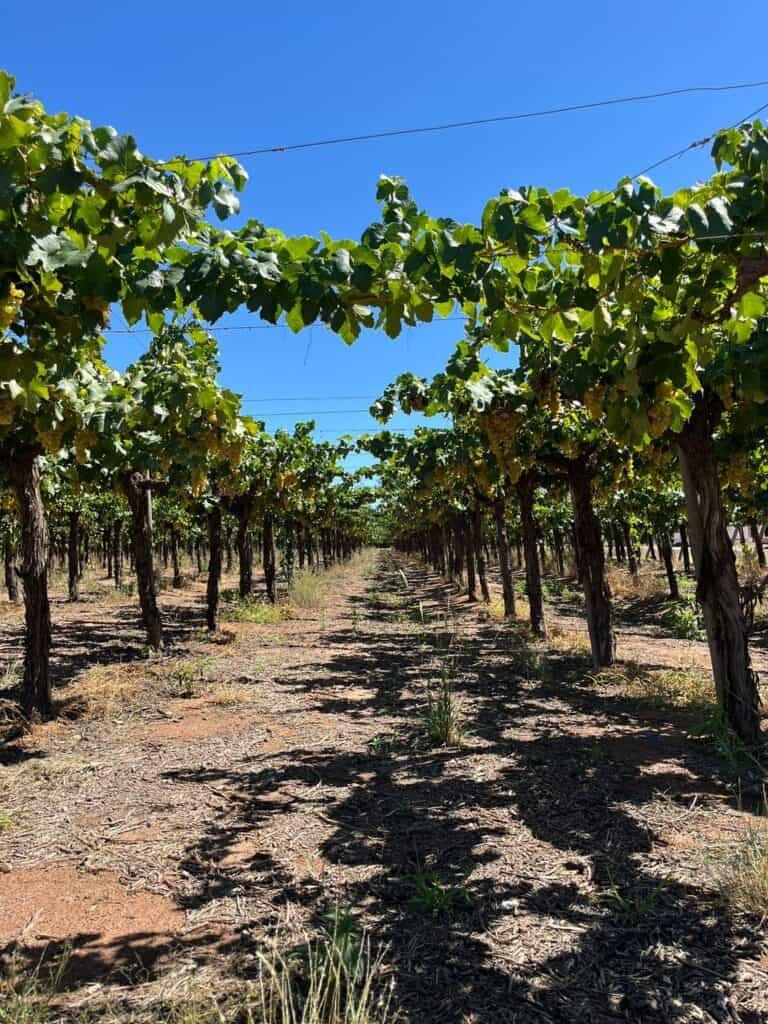
Today it grows primarily in two regions: La Rioja, specifically the Famatina Valley where my family is from, and Salta, further north in the Puna. Both sit at altitude. Both shape the grape in ways that are only now getting the attention they deserve.
For the full story of where it comes from and why it matters, there’s a complete guide on what makes Torrontés unique. But here’s a short version for Sauvignon Blanc drinkers: it’s dry, it’s aromatic, it’s light to medium bodied, and it’s intensely floral in a way no other everyday white wine quite matches.
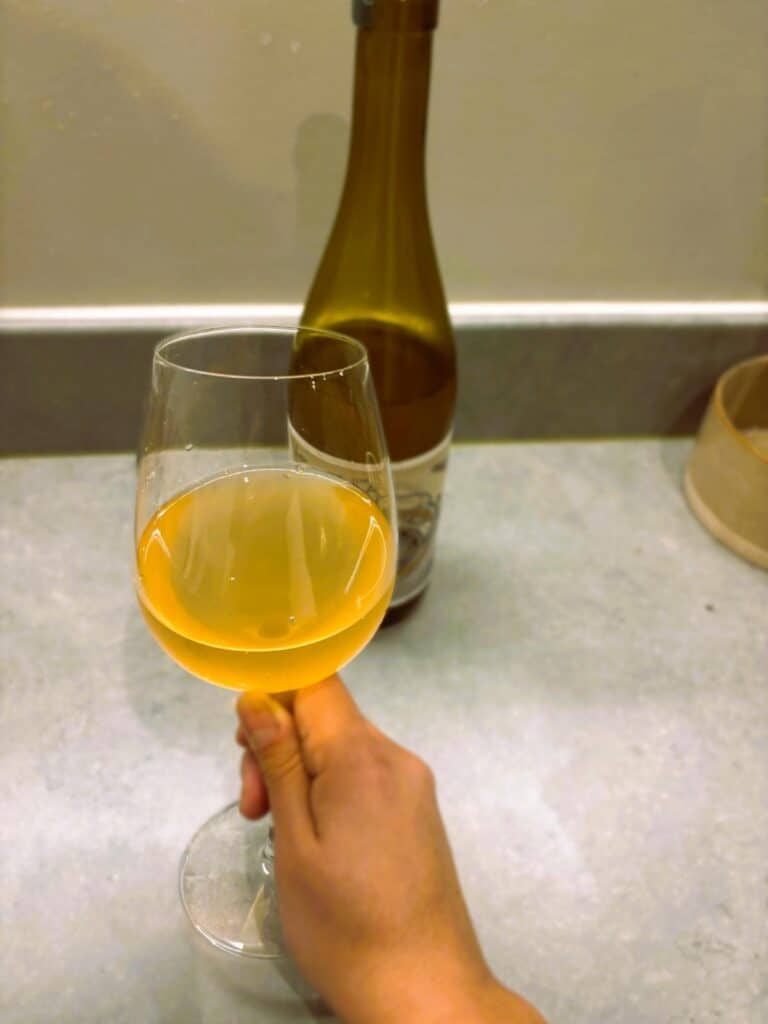
The nose is where Torrontés announces itself: jasmine, rose petals, white peach, orange blossom. And then the palate surprises you. Because it’s not sweet. It’s fresh and clean and dry. That gap between what it smells like and what it actually tastes like is exactly what makes it interesting.
Why Sauvignon Blanc Works So Well
Sauvignon Blanc is the UK’s most popular white wine, and it earned that spot. It’s reliable. It’s refreshing. It works with a huge range of food and it’s available everywhere.
But it has a range that’s worth knowing. French Sauvignon Blanc from the Loire Valley, Sancerre and Pouilly-Fumé, is mineral and restrained. New Zealand Marlborough is punchy, tropical, all gooseberry and passion fruit. South African versions sit somewhere between the two. What they all share is high acidity, a crisp freshness, and that distinctive green-edged character.
If you love that profile, Torrontés is the next logical step. It delivers the same freshness and aromatics, just by a completely different route.
How do Sauvignong Blanc & Torrontés They Actually Compare
| Aspect | Torrontés | Sauvignon Blanc |
|---|---|---|
| Origin | Argentina (La Rioja, Salta) | France, NZ, South Africa |
| Aroma | Jasmine, rose, peach, citrus | Gooseberry, grass, passion fruit |
| Taste | Dry, fresh, floral | Dry, crisp, herbaceous |
| Body | Light to medium | Light to medium |
| Acidity | Medium-high | High |
| Oak | Never (with some exceptions) | Sometimes |
| Best with | Spiced dishes, seafood, empanadas | Salads, goat’s cheese, fish |
| Price in UK | £8–£15 | £7–£25+ |
| Availability | Specialist / Co-op | Everywhere |
The Aroma Question
This is where the two wines diverge most, and where Torrontés tends to catch people off guard.
Sauvignon Blanc’s aromatics are green and alive: gooseberry, fresh-cut grass, lemon zest, passion fruit. Torrontés smells like a flower market. Jasmine, rose petals, orange blossom, white peach. It’s closer to Gewürztraminer or Muscat than anything in the Sauvignon family.
The crucial thing to understand: all that floral intensity does not mean sweetness. This is the most common misconception, and it’s completely understandable. Your brain smells something that perfumed and expects something sweet. Then the palate arrives and it’s dry, clean, lively.
The best way I can describe it: imagine biting into a white peach. It smells like summer, like ripe fruit, like something sugary. But the moment you bite, there’s lemon. Fresh without being sweet. The contrast is so unexpected that even reading about it, your brain probably resists the picture. But it makes sense once you taste it.
If You Drink Marlborough Sauvignon Blanc
New Zealand Marlborough is the style most UK drinkers know best — and it’s probably the furthest from Torrontés in personality. Marlborough Sauvignon Blanc is loud. Passion fruit, gooseberry, cut grass, that almost aggressive tropical punch that hits you before the glass is even at your lips. It’s brilliant, but it’s not subtle.
Torrontés is the quieter version of that energy. Same light body, same refreshing acidity, same ability to drink dangerously easily on a warm evening. But where Marlborough shouts gooseberry and tropical fruit, Torrontés whispers jasmine and white peach. The intensity is similar. The direction is completely different.
If you’ve ever thought Marlborough Sauvignon Blanc was slightly too much, too punchy, too one-note after the first glass, Torrontés is the natural next step. You get all the aromatics and none of the aggression. And because it’s grown at altitude in the Andes rather than at sea level in New Zealand, the freshness comes from a completely different place: thin mountain air and cold nights rather than cool ocean breezes.
Same refreshment. Different story.
On the Palate
Both wines are dry. Torrontés just fools people with its nose.
Where Sauvignon Blanc tends to be sharp and linear, bright acidity cutting through everything, Torrontés is a little softer and rounder. The acidity is there, but it doesn’t dominate. The finish is clean, often with a faint citrus edge. The result is a wine that has opinions but doesn’t shout them.
If you’ve ever found New Zealand Sauvignon Blanc slightly too aggressive, all acid and gooseberry, Torrontés offers something gentler without being bland. Both wines are unoaked at the everyday level, both made in stainless steel to keep things clean and precise. They’re similar in weight, and they drink similarly well.
Food Pairing of Torrontés vs Sauvignon Blanc: Where It Gets Interesting
Both wines love seafood. Both are brilliant with lighter dishes. But they diverge in genuinely useful ways.
Sauvignon Blanc is the classic with goat’s cheese, green salads, and light fish. The acidity cuts through fat beautifully, and the herbaceous character echoes fresh herbs. It was practically born for a French bistro lunch.
Torrontés handles spice better. Its floral aromatics create a kind of contrast with heat that Sauvignon Blanc’s sharpness doesn’t quite manage. Thai green curry, Vietnamese pho, Indian dal, Peruvian ceviche, empanadas: Torrontés was built for this kind of table.
The last time I had a glass of chilled Torrontés with my family, my mum had made beef empanadas. It was the hottest day of the Argentine summer on record, and I was leaving for the UK in a few days. That cold glass of Torrontés tasted like everything I didn’t want to leave behind. Fresh without being sweet. Familiar without being simple.
When Torrontés Is the Better Bottle
There are situations where Torrontés is simply the right choice.
Spiced and aromatic food. Thai, Vietnamese, Indian, Mexican, Peruvian: Torrontés handles heat and fragrance in ways Sauvignon Blanc doesn’t quite manage.
Hot weather. Served cold, colder than you’d normally serve a white wine, around 8°C, it is one of the most refreshing wines in existence. Leave it in the fridge a little longer than usual.
South American food. Empanadas, ceviche, grilled white fish, locro: Torrontés was made for this cuisine. It makes sense that they grew up together.
When you want to surprise people. Nobody brings Torrontés to a dinner party in the UK. You will be the most interesting person at the table.
When Sauvignon Blanc feels too sharp. If the gooseberry and grass notes feel a bit aggressive, Torrontés gives you the same refreshment in a rounder, more perfumed style.
When you’re just a little bored. You want to try something different, but you don’t want to go too far. Torrontés is the perfect next step.
When Sauvignon Blanc Is Still the Better Choice
Honesty matters here.
Availability. You can get Sauvignon Blanc everywhere. Torrontés requires a little searching. There’s a guide to where to buy it in the UK if you need a starting point.
Goat’s cheese and green salads. The classic pairing works because of a herbaceous, grassy quality that Torrontés simply doesn’t have.
Rich, oily fish. Smoked salmon, mackerel: Sauvignon Blanc’s sharper acidity is the better foil here.
Buying for a large mixed group. Torrontés is still unfamiliar to most UK drinkers. If everyone at the table needs to recognise what’s in their glass, Sauvignon Blanc is the safer choice.
Budget under £8. Below that price point, Sauvignon Blanc has more reliable everyday options in the UK market.
The goal here isn’t to convince you Torrontés is better in every situation. The goal is to show you that if you love Sauvignon Blanc, your next bottle should probably be a Torrontés, because it will teach you something new about what you already love.
Where to Buy Torrontés in the UK
The most accessible option is the Co-op Fairtrade Torrontés-Chardonnay blend, made by La Riojana from Famatina Valley grapes, available in Co-op stores nationwide. For a pure Torrontés expression, the Susana Balbo Crios is the most reliable entry point and is available at Majestic Wine. For a wider selection, VINVM and Laithwaites both carry Torrontés and ship UK-wide.
For a full breakdown of every Torrontés available in the UK right now, including tasting notes and prices, see the Best Torrontés Wines UK guide. For the complete stockist list, the Where to Buy Torrontés in the UK page is updated regularly as new sources come in.
Not ready to commit to Torrontés yet? La Riojana’s Pinot Grigio is stocked at Co-op and comes from the same cooperative. A low-risk starting point for anyone new to the region.
If you are looking to bring an affordable bottle or organic wine to your dinner party, here is a guide on the best Argentinian organic wine found in UK supermarkets.
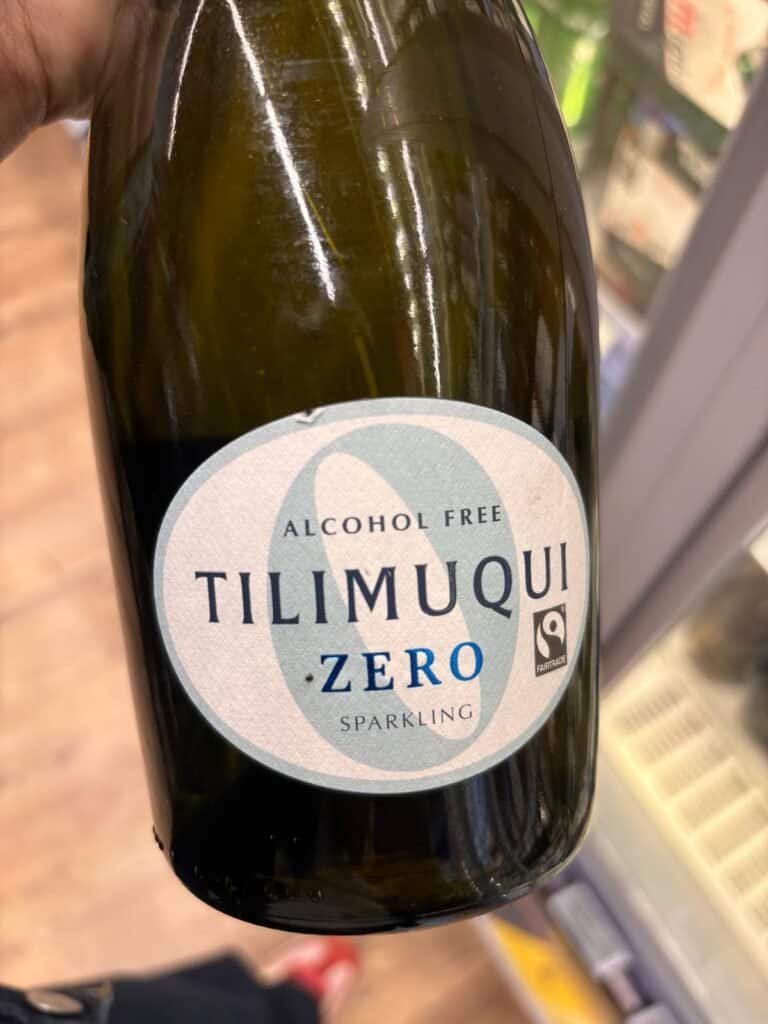
If you want bubbles from Famatina instead, Tilimuqui has its irresistible alcohol free sparkling wine, and even its award-wining. Tilimuqui Zero is you prefer the sober version.
FAQs
Is Torrontés better than Sauvignon Blanc? Neither is objectively better — they suit different occasions and different palates. Sauvignon Blanc is more widely available and is the safer choice for large groups or classic pairings like goat’s cheese and green salads. Torrontés is the better choice for spiced food, South American cuisine, and anyone who wants something aromatic and distinctive that most people in the UK haven’t tried. If you already love Sauvignon Blanc, Torrontés is worth trying at least once.
Is Torrontés sweeter than Sauvignon Blanc? No. Most Torrontés is dry. The confusion comes from the nose. Torrontés smells intensely floral, which the brain reads as sweet, but the palate is clean and dry. That contrast is one of the most distinctive things about the grape.
What food pairs with Torrontés vs Sauvignon Blanc? Both work with fish and light seafood. Sauvignon Blanc is better with goat’s cheese, green salads, and classic French food. Torrontés is better with spiced dishes: Thai, Vietnamese, Indian, and South American food, where its floral aromatics create a balance that Sauvignon Blanc’s sharpness doesn’t quite manage.
Can I substitute Torrontés for Sauvignon Blanc in a recipe? Yes. If a recipe calls for dry white wine, Torrontés works wherever Sauvignon Blanc does. The flavour contribution is slightly different, a little more floral and slightly less acidic, but in cooked dishes the difference is minimal.
Where does Torrontés come from? Torrontés grows almost exclusively in Argentina, primarily in La Rioja, including the Famatina Valley, and in Salta further north. It is Argentina’s only truly native white grape. For the full story, read The Forgotten White Wine of Argentina