Whenever anyone thinks of Argentinian wine, they go straight to Malbec. Every time. And look, Malbec deserves its moment. But there’s a white wine growing quietly in the high-altitude valleys of Argentina’s north-west that most people, even wine lovers, haven’t discovered yet.
It’s called Torrontés. It’s Argentina’s only truly native grape. And once you try it, you’ll wonder why no one told you about it sooner.
What is Torrontés?
Torrontés is a dry, aromatic white wine, and it’s Argentina’s signature white grape. Not introduced from Europe, not a transplant, born right here in South America, somewhere around 500 years ago.
The grape is thought to have emerged naturally from a cross between Muscat of Alexandria and Criolla Chica, an old Spanish variety brought over during the colonial period. Historian Pablo Lacoste traces the Muscat’s journey all the way from Constantinople to Argentina during Spanish colonisation, when those two varieties met, something new was born. That Muscat heritage is probably why Torrontés smells so floral and exotic. But unlike Muscat, Torrontés is almost always bone dry.Here’s the thing that surprises most people: Argentina produces virtually all of the world’s Torrontés. It is a genuinely national wine. Yet most people outside Argentina have never heard of it. It remains the forgotten white wine of Argentina. That’s the story we’re here to change
What Does Torrontés Wine Taste Like?
Imagine lifting a glass and getting hit with jasmine, orange blossom, ripe peach, and a hint of citrus zest. It smells almost sweet, almost like perfume, some people say. And that’s exactly where Torrontés gets misunderstood.
Because then you take a sip, and it’s crisp. Dry. Refreshing. The sweetness stays in the aroma. The palate is clean and lively.
That contrast, perfumed on the nose, dry on the tongue, is what makes Torrontés so interesting. It’s not grassy like a Sauvignon Blanc. It’s not buttery like a Chardonnay. It’s something else entirely.
Expect:
- Jasmine and orange blossom on the nose
- Rose petals and ripe peach
- Citrus zest and fresh herbs
- Light to medium body on the palate
- A clean, dry, refreshing finish
Because it’s typically aged in stainless steel, there’s no oak to muddy things. What you get is pure fruit and floral character, bright, lively and expressive. If you want to learn why Torrontés is your next wine if you love a Sauvignon Blanc, I have written a guide about Torrontés vs Sauvignon Blanc.
Is Torrontés Similar to Riesling or Gewürztraminer?
This is one of the most useful comparisons you can make, especially if you’re new to Torrontés.
Torrontés vs Riesling
Both are aromatic, both can show citrus and floral notes, and both work beautifully with food. The key difference: Riesling ranges from bone dry to very sweet depending on the style, while Torrontés is almost always dry. Riesling also tends to show more minerality, that chalky, stony quality, while Torrontés leans further into jasmine and orange blossom. If you love a dry Riesling, Torrontés is the next logical step.
Torrontés vs Gewürztraminer
Gewürztraminer is probably Torrontés’s closest cousin in style, both are intensely perfumed and floral. But Gewürztraminer is often richer and more oily in texture, with a spicier edge (think lychee, ginger). Torrontés is lighter, crisper, and a little less overwhelming. If Gewürztraminer has ever felt like too much, Torrontés might be the gentler entry point.
Torrontés vs Muscat
Given that Muscat of Alexandria is one of Torrontés’s parent varieties, the family resemblance is there, that heady floral quality. But Muscat is often sweet, or at least off-dry. Torrontés keeps the aroma and ditches the sugar.
Where Does the Best Torrontés Come From?
Torrontés grows across several provinces in Argentina’s north-west, and altitude is the common thread. The higher the vineyard, the more the grape’s aromatics intensify while the cool nights preserve freshness.
The Famatina Valley, La Rioja
This is where my story starts, and it’s the region I believe deserves far more attention than it gets.
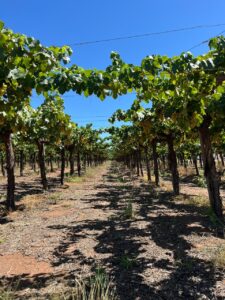
The Famatina Valley sits in La Rioja province, at the foot of the Famatina mountain range. The peaks are snow-capped even in summer. I grew up visiting family there, and that image, snow on the mountains in the middle of a 37-degree day, has never left me. It’s that kind of place.
The valley sits at significant altitude, where intense sunshine during the day and cool mountain air at night create the perfect conditions for Torrontés. The water that feeds the vines comes directly from the mountains, snowmelt running down into an arid landscape where water is precious and nothing is taken for granted. That scarcity shapes everything: how the vines are tended, how much fruit they produce, how concentrated the flavours become.
Most of the vineyards here are run as cooperatives. Families pooling resources, sharing the work, keeping traditions alive across generations. It’s not the glamorous model you read about in wine magazines, but it’s real, it’s resilient, and it produces exceptional wine.
The problem is that La Rioja doesn’t have Mendoza’s infrastructure or Mendoza’s reputation. Some of its wine is even bottled in Mendoza and sold under that name. Famatina Wines exists because this valley deserves its own story.orrontés is absolutely worth trying.
Cafayate, Salta
Further north, Salta’s Cafayate Valley pushes altitude even higher. The styles here tend to be bolder and more exuberant, big aromatics, more body. It’s perhaps the most internationally recognised region for Torrontés, and it’s excellent.
Catamarca
Smaller volumes here, but Catamarca produces a leaner, more mineral style of Torrontés. Worth seeking out if you want to explore the range.
Is Torrontés a Good Summer Wine?
Yes. Unreservedly yes.
It’s refreshing without being thin. Aromatic without being heavy. The acidity is lively but not sharp. Serve it well chilled, around 8–10°C, and it’s one of the most pleasurable warm-weather drinks you can pour.
It’s also surprisingly good with food. Because it smells sweet but finishes dry, it handles mild spice better than most white wines. Some ideas:Famatina Wines and discover why this forgotten grape is finally getting the attention it deserves.
- Grilled fish and seafood
- Thai or Vietnamese dishes
- Indian food with mild to medium spice
- Goat’s cheese or fresh cheeses
- Salads with herbs and citrus dressing
- Fish empanadas, if you want to go full Argentine
One of my favourite combinations: a very cold glass, a good piece of mature cheddar, and a thin slice of dried plum. The umami from the cheese and the sweetness from the plum push the fruit aromas of the wine into something else entirely. Try it.
Where to Buy Torrontés Wine in the UK
Torrontés isn’t yet everywhere in the UK, but it’s getting easier to find. Some supermarkets, including Co-op and Waitrose, carry it, and you’ll occasionally find it in a Sauvignon Blanc/Chardonnay/Torrontés blend for those who want a gentler introduction.
For single-varietal Torrontés, the style we care most about, head to our dedicated page:
Why Torrontés Deserves More Attention
Argentina’s wine story has been told almost entirely through Malbec. That’s fine, Malbec is brilliant. But it means that the only truly native grape Argentina has ever produced has been sitting in the background for decades, waiting.
Torrontés isn’t a trend. It’s not a novelty. It’s a cultural expression of place, shaped by altitude, mountain water, arid landscapes, and the people who’ve tended these vines through generations of cooperative farming and biodynamic wine production techniques. Understanding Torrontés means understanding a side of Argentina that most people never see.
If you want to go beyond Malbec, really go beyond it, this is where you start.
FAQs
Is Torrontés wine sweet or dry?
Almost always dry. It smells sweet because of its intensely floral aromas, jasmine, peach, orange blossom, but the palate is typically crisp and refreshing with very little residual sugar.
Where does the best Torrontés come from?
High-altitude regions in Argentina’s north-west, particularly La Rioja’s Famatina Valley and Salta’s Cafayate Valley. Altitude builds aroma while cool nights preserve freshness.
What is Torrontés similar to?
It’s closest to a dry Riesling or a lighter Gewürztraminer, intensely aromatic, floral, and dry. If those are wines you enjoy, Torrontés is absolutely worth trying.
What food pairs well with Torrontés?
It pairs beautifully with seafood, salads, spicy Asian dishes, and fresh cheeses. Its acidity makes it very versatile.
Where can I buy Argentinian white wine in the UK?
Some supermarkets stock Torrontés, including Co-op and Waitrose. For Torrontés from the Famatina Valley specifically, see our Where to Buy page.