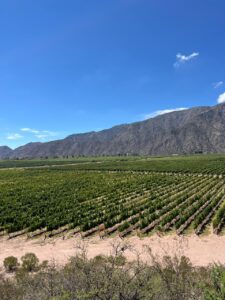
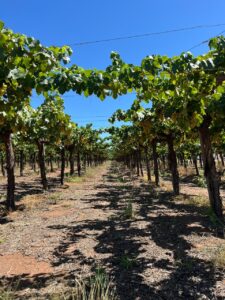
Malbec thrives in Argentina. But, what about the truly & only native grape of Argentina?
Famatina Valley Wines from Argentina’s Forgotten Region
When it comes to Argentine wine, the conversation almost always lands on Malbec, usually followed by travel stories about Mendoza & Salta. Endless stories of travellers on numerous wine tours, and wine tastings of what’s often called the best Malbec in the world. Argentine Malbec is great. It’s rich, full-bodied, and an easy choice when you’re not sure what to bring to a dinner party, but still want to show up with something decent. It’s a safe choice. But, there is a hidden gem in the Argentinian route of wine.
Argentina Beyond Mendoza and Malbec
Mendoza is only one of the 18 wine producing provinces in Argentina and, along with Salta are the superstars of the ruta del vino argentina, due to their perfect weather conditions for high-altitude wines. By far, these two provinces not only have the recognition, but the infrastructure to cater wine worldwide. The world best-regarded vineyards are located in Mendoza & Salta, and it is the go-to touristic spots for wine tasting, visited by millions of tourists worldwide every year.
The Famatina Valley: A Forgotten Wine Region in Argentina
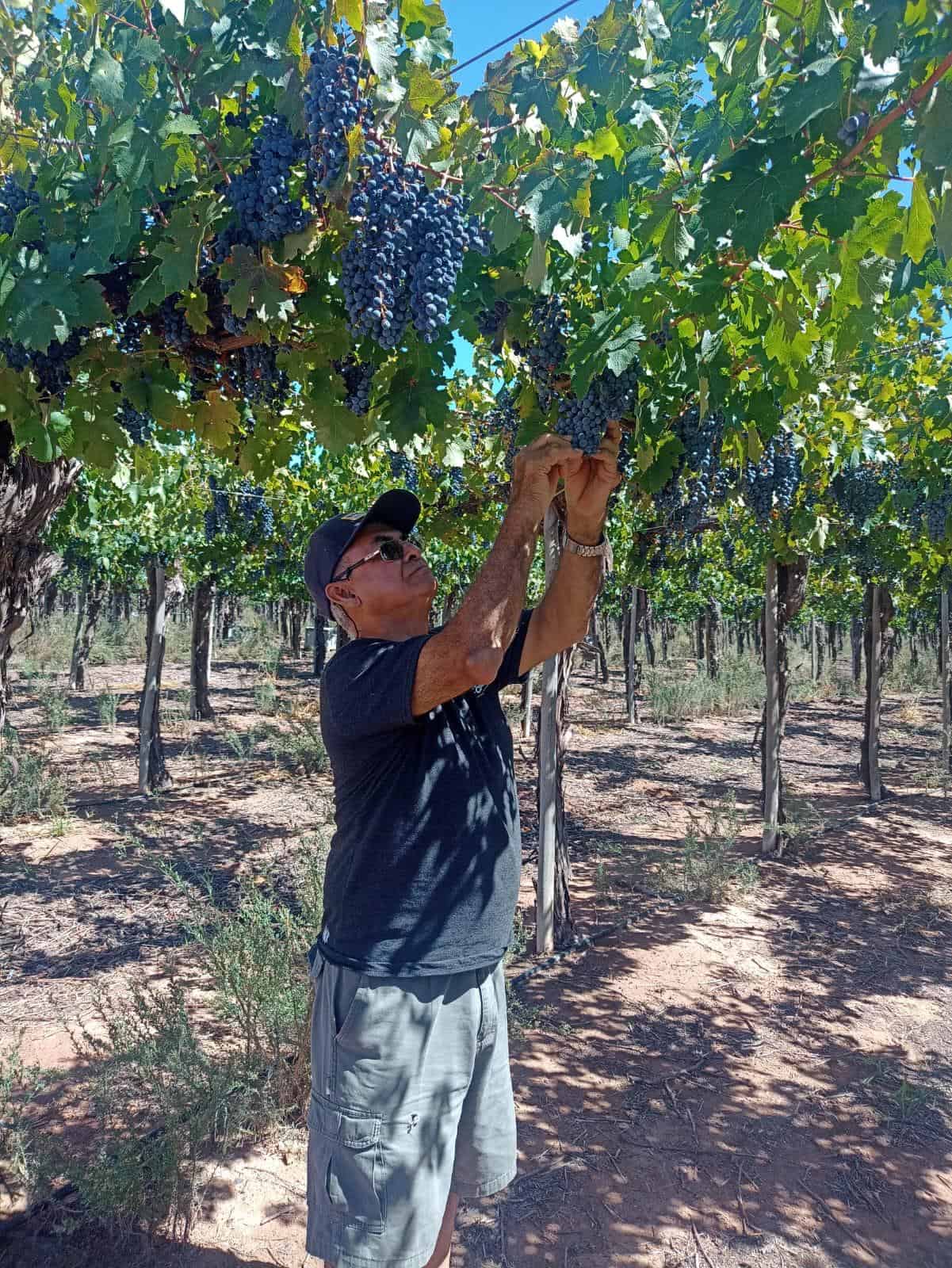
Argentina’s wine story is much broader, older, and more diverse, especially when you look north, toward the high-altitude valleys of La Rioja, where you find the gem of the area: the Famatina Valley.
The Famatina Valley sits at the foot of the Andes, in a dry, dramatic landscape defined by altitude, intense sunlight, and cool nights. It is a place where agriculture has never been easy, and where the land has always demanded adaptation and precision. Long before vineyards appeared, this valley was shaped by the people who learned how to live with its extremes. The Diaguita peoples.
The Diaguita Peoples and Indigenous Agricultural Knowledge
The Diaguita peoples inhabited this region centuries before the arrival of the Spanish colonisers. They farmed at altitude, built irrigation systems, and worked with scarce water and difficult soils. If anything, the area surrounded the valley was of survival.
Wine arrived much later, but it did not overwrite that reality. In many ways, it had to submit to it.
Torrontés, Argentina’s Signature White Grape
Vineyards in Famatina grow high above sea level (around 1,000 meters), exposed to strong sunlight during the day and sharp temperature drops at night. These conditions slow ripening and preserve freshness. They also create wines with pronounced aromatics and natural acidity, qualities that are increasingly valued, especially as drinkers look for balance rather than power. This is where Torrontés wine finds a natural home.
Torrontés is often described as Argentina’s signature white grape, because it is: it is the only truly Argentinian grape. Sorry to break it to you, but Malbec is in fact French. Torrontés is to white wine what Malbec is to red.
In Famatina, Torrontés Riojano expresses itself with floral aromas, citrus notes, and a surprising tension on the palate. It can be aromatic without being heavy, expressive without losing freshness. The altitude shapes it, just as it shapes everything grown here.
Now based in London, I find myself reminiscing these moments, yearning for that barely known white wine. With Sauvignon Blanc being the go-to option for most people in the UK, I am a truly believer that Torrontés is going to give them a pleasant surprise. I have written a starting guide on Sauvignon Blanc vs Torrontés for those who want a change but don’t want to go wild!
Understanding Argentinian forgotten wine starts with understanding land and culture, not grape varieties alone. The vast Famatina Valley reminds me wine is not just a product, but an expression of geography, history, and everyday life.
FAQs
What is Torrontés wine and why is it unique to Argentina?
Torrontés is Argentina’s only truly native grape variety, making it unique in the world of wine. It is known for its floral aromas, citrus notes, and vibrant natural acidity, especially when grown at high altitude.
Where is the Famatina Valley and why is it important for Argentine wine?
The Famatina Valley is located in La Rioja province in northern Argentina, at the foothills of the Andes. It is one of Argentina’s oldest and most overlooked wine regions. Its high altitude, intense sunlight, and cool nights create ideal conditions for fresh, aromatic wines like Torrontés, offering an alternative to the well-known Mendoza wine region.
Why is Torrontés considered Argentina’s forgotten white wine?
Despite being Argentina’s only native grape, Torrontés has been overshadowed internationally by Malbec and the fame of Mendoza and Salta. Regions like the Famatina Valley remain largely undiscovered, making Torrontés a forgotten white wine that reflects Argentina’s deeper history, indigenous agricultural knowledge, and diverse terroirs.