If you have spent any time near a wine list, you already know Chardonnay. It is one of the most planted white grapes on earth, grown from Burgundy to California to Margaret River, and it comes in more styles than almost any other variety, from lean and steely to rich and buttery. Torrontés, by comparison, is a specialist. It has one true home, the high-altitude valleys of northern Argentina, and La Rioja’s Famatina Valley in particular, and it does one thing extremely well: aromatic, floral, mineral-driven white wine that tastes like nowhere else.
I want to be fair to both grapes here, not because I am neutral (I am not) but because understanding what Chardonnay does well is the fastest way to understand what makes Torrontés genuinely different.
The Grapes Themselves
Chardonnay is, in winemaking terms, a blank canvas. It has relatively neutral fruit character on its own, which is exactly why it takes so well to oak ageing, malolactic fermentation, and lees stirring. The wine you get from Chardonnay says as much about the winemaker’s choices as it does about the grape.
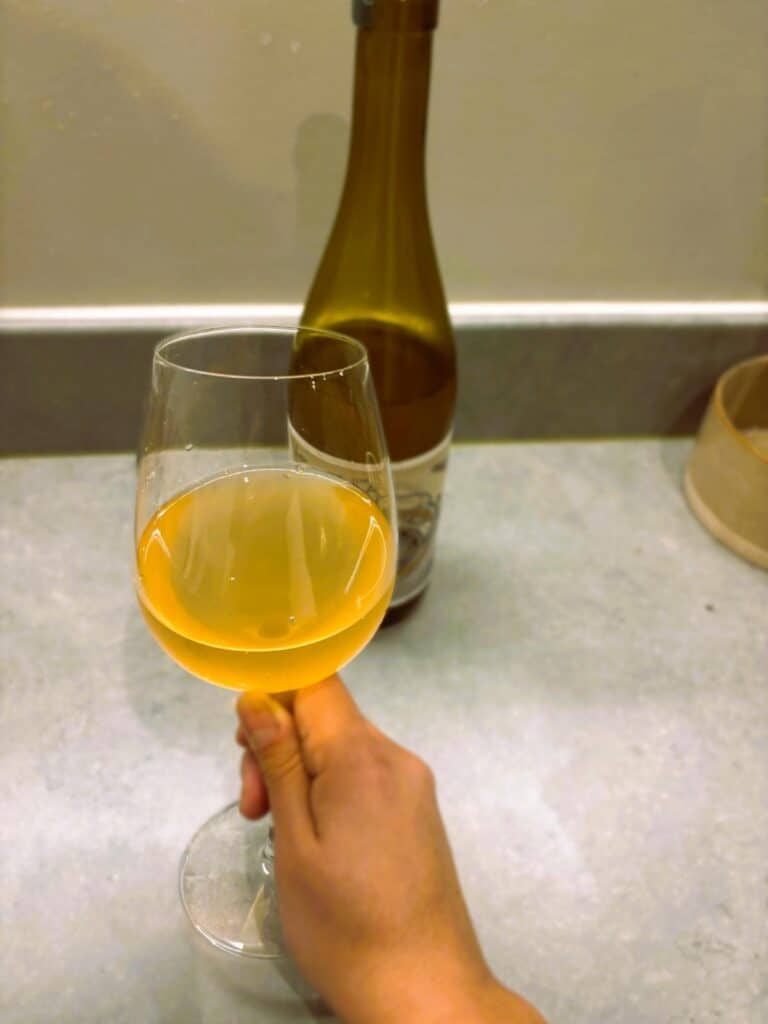
Torrontés is the opposite. It is intensely aromatic by nature, related to the Muscat family, and it announces itself immediately: white flowers, orange blossom, ripe peach, a lifted, almost perfumed nose. Winemaking choices matter, but they tend to frame Torrontés rather than transform it. What is in the glass is close to what came off the vine.
Where They Grow
Chardonnay’s global spread is part of its identity. Chablis gives you flint and citrus. Napa gives you tropical fruit and vanilla oak. Margaret River sits somewhere in between. There is no single “correct” Chardonnay expression, because the grape adapts so readily to different climates and winemaking traditions.
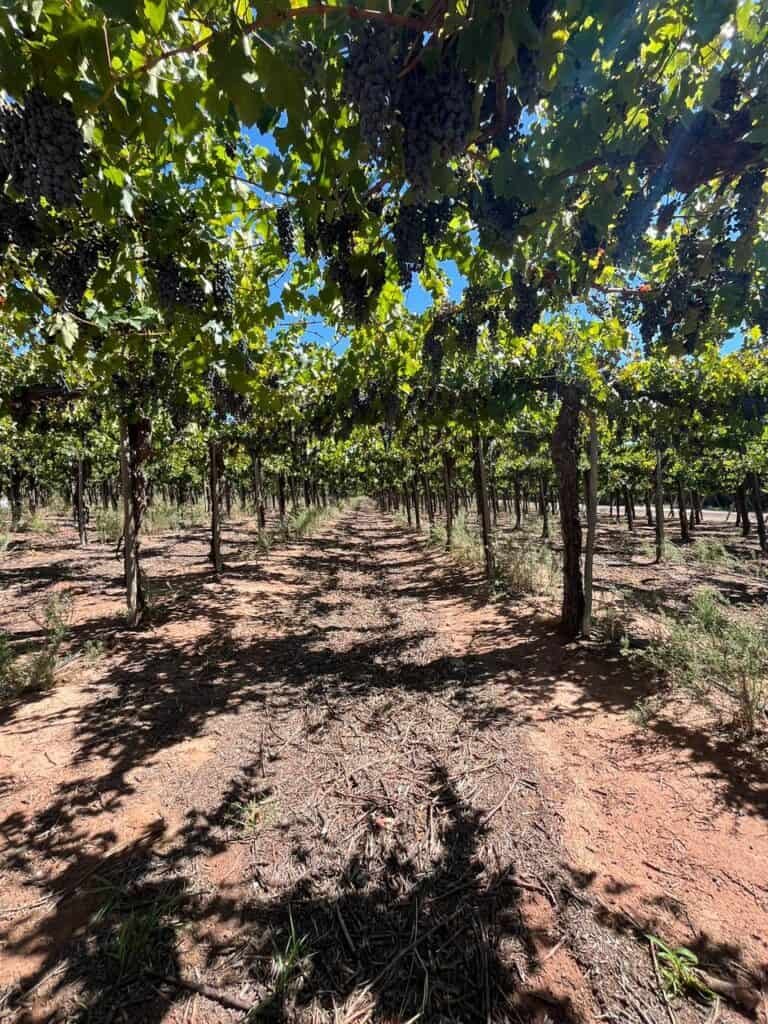
Torrontés is far more tied to place. The Famatina Valley’s altitude, some vineyards sitting well above 1,000 metres, gives the grape enormous diurnal temperature swings between hot days and cold nights. That is what preserves its acidity and keeps the aromatics fresh rather than heavy. Grow Torrontés at low altitude and it can turn blowsy and flat. Grow it here, and it stays vivid. This is a grape defined by a specific place in a way Chardonnay simply is not.
Tasting Profile, Side by Side
| Chardonnay | Torrontés | |
|---|---|---|
| Aromatics | Subtle to neutral, style-dependent | Intensely floral and fruity |
| Typical body | Medium to full, varies widely | Light to medium |
| Acidity | Moderate, higher in cool climates | Naturally high |
| Oak influence | Common, sometimes dominant | Rare, usually unoaked |
| Best served | Varies by style | Well chilled, young |
Food Pairing
Chardonnay’s range means it pairs across a huge spread, from oysters with an unoaked Chablis to roast chicken with a richer, oaked style. Torrontés is more specific and, I would argue, more useful at the table for a certain kind of food. Its aromatics and acidity make it a genuinely excellent match for dishes that usually struggle to find a wine partner: Thai and Vietnamese food, ceviche, empanadas, anything with fresh coriander or chilli heat. Where an oaked Chardonnay can clash with spice, Torrontés tends to lift it.
Why This Comparison Matters
I am not writing this to talk anyone out of Chardonnay. It is a brilliant grape and it earned its popularity honestly. But if your wine shelf has never had a Torrontés on it, the comparison is a useful way in. You already understand what an aromatic, food-friendly white can do at the table. Torrontés simply does it from a different direction, with a nose you will not mistake for anything else and a sense of place that few white wines outside Argentina can claim.
If you are curious where to start, our guide to what Torrontés actually is is the natural next stop, and our Torrontés vs Sauvignon Blanc comparison covers the grape it gets confused with most often.