Torrontés and Viognier get mentioned in the same breath a lot. Both are aromatic whites. Both fill a glass with floral perfume before you’ve even taken a sip. Both get recommended to people who “don’t usually like white wine” and end up loving it. But once you taste them side by side, they’re not really substitutes for each other. They come from different places, different climates, and they finish in completely different places on the palate.
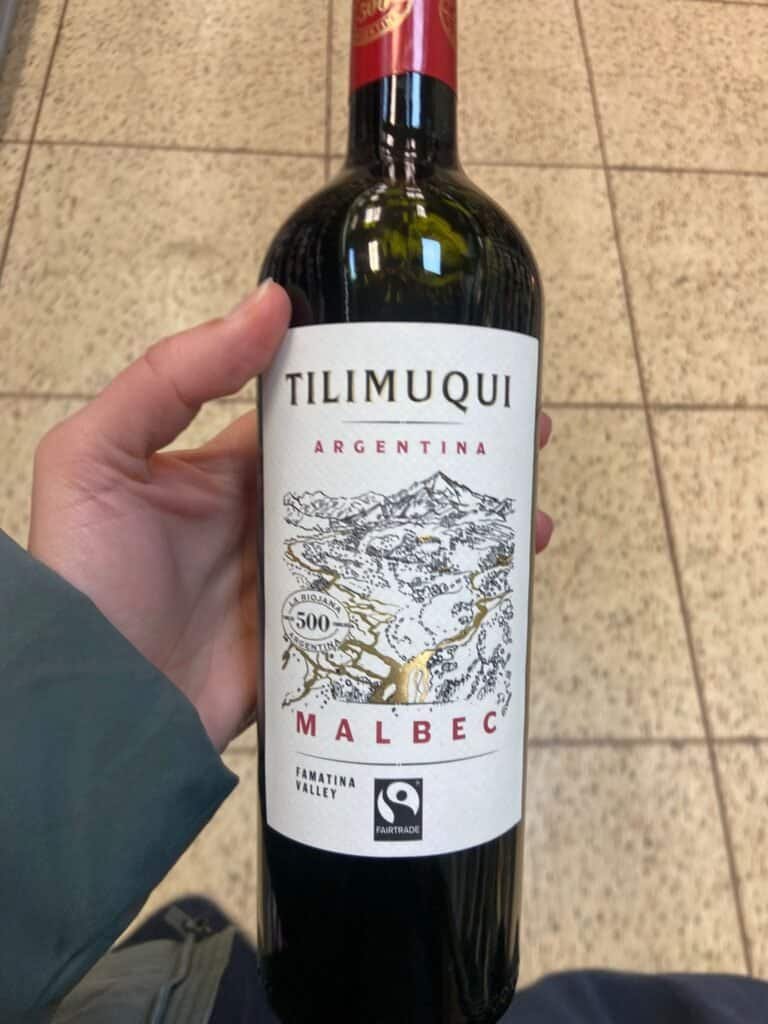
I grew up familiarised with Torrontés from the Famatina Valley, so I’ll say upfront where my bias sits. However, for those who still want to learn more about their wines, the comparison is worth making properly, because the two grapes get confused for each other more than almost any other white wine pairing.
The quick version
- Torrontés is dry, high in acidity, and light-bodied. Think white flowers and citrus peel, with a crisp finish.
- Viognier is fuller-bodied, often oak-aged, and can carry more alcohol. Think stone fruit, such as peaches or apricots,and honeysuckle, with a rounder, sometimes oily texture.
If you want something to cut through spice or seafood on a hot day, reach for Torrontés. If you want a glass that feels closer to a light Chardonnay, Viognier is the better fit.
Where Torrontés and Viognier come from
Torrontés comes from Argentina, mainly the high-altitude Famatina Valley in La Rioja and Cafayate further north. Viognier comes from France’s northern Rhône, most famously the small appellation of Condrieu, though it now grows well beyond it in California, Australia, and the Languedoc.
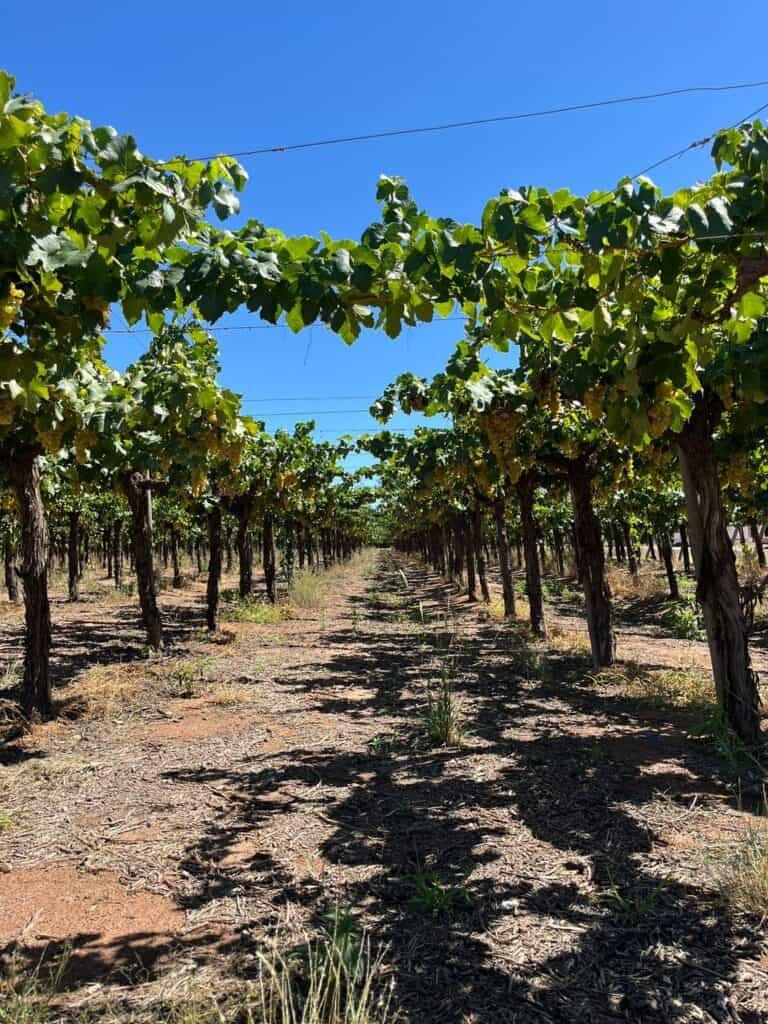
Torrontés is Argentina’s own. Even though Torrontés grows in several parts of Argentina, The Famatina Valley in La Rioja gives it the high-altitude conditions it needs: intense sun during the day, a sharp drop in temperature at night. That swing in temperature is what keeps the acidity fresh even as the grape ripens fully. Torrontés doesn’t really exist anywhere else in the world at this level of quality. It’s a grape defined by one place.
Viognier’s home appellation, Condrieu, is tiny. It’s since travelled well, but unlike Torrontés, it’s not tied to a single valley anymore, which means the style varies a lot more from bottle to bottle depending on where it’s grown and how it’s made.
Torrontés vs Viognier: taste and texture compared
Torrontés is light-bodied, high in acidity, and citrus-driven, with a crisp, dry finish. Viognier is fuller-bodied, often oak-aged, with stone fruit and honeysuckle notes and lower acidity. This is where the two grapes really part ways, even though both start with the same floral lift on the nose.
Torrontés stays light on its feet. Expect white flowers, orange blossom, green apple, and a citrus peel bitterness on the finish that keeps it from feeling sweet even though the nose suggests otherwise. Acidity is the backbone here. Most Torrontés is made in stainless steel with no oak, so nothing gets in the way of that freshness.
Viognier carries more weight. It’s often higher in alcohol, and many producers age it in oak, which adds a creamy, sometimes nutmeg-and-vanilla character on top of the stone fruit and honeysuckle. Acidity is naturally lower, so a well-made Viognier can feel almost oily on the palate in a way Torrontés never does. That’s not a flaw. It’s just a different kind of wine.
Food pairing for Torrontés and Viognier
Torrontés pairs best with spiced, citrus-forward food such as Thai curry or ceviche, while Viognier suits richer, more delicate dishes such as roast chicken or creamy pasta.
Torrontés wants food with some heat or spice in it. Thai green curry, ceviche, empanadas, anything with lime and chilli. The acidity and citrus notes are built for that kind of contrast.
Viognier does better with richer, more delicate dishes. Roast chicken, a creamy pasta, seared scallops. It has the weight to sit alongside food that would flatten a leaner white.
Torrontés vs Viognier price and availability in the UK
Torrontés is generally the more affordable option in the UK, while Viognier spans a wider price range, from everyday bottles to premium Condrieu. Torrontés hasn’t caught up to Malbec in popularity yet, so good bottles are easy to find without spending much. Viognier’s everyday versions sit in a similar bracket to Torrontés, but Condrieu specifically can run well past £40 a bottle, since the appellation is small and in demand.
Torrontés or Viognier: which should you choose?
If you already love Sauvignon Blanc or Albariño and want something with more perfume but the same crispness, Torrontés is the option I would recommend you to choose from. If you are a Chardonnay lover and want more floral lift without losing the body, Viognier is closer to what you already enjoy.
They’re often grouped together because they’re both “aromatic whites,” but that label undersells how differently they actually drink. One is built around altitude and acidity. The other is built around body and texture. Worth trying both, side by side, to see which one you reach for again.
FAQS
Is Torrontés similar to Viognier?
Only on the nose. Both grapes are aromatic, so they share the floral, perfumed lift when you first pour a glass. Once you taste them, they separate quickly. Torrontés stays light and citrus-driven with high acidity, while Viognier moves toward stone fruit, honeysuckle, and a fuller, often oak-influenced body.
Is Viognier sweeter than Torrontés?
Neither is sweet in the traditional sense; both are typically made dry. Viognier can feel rounder and richer thanks to lower acidity and, often, oak ageing, which reads as “sweeter” to some palates even without residual sugar. Torrontés keeps a citrus-peel bitterness on the finish that makes it feel crisper and drier by comparison.