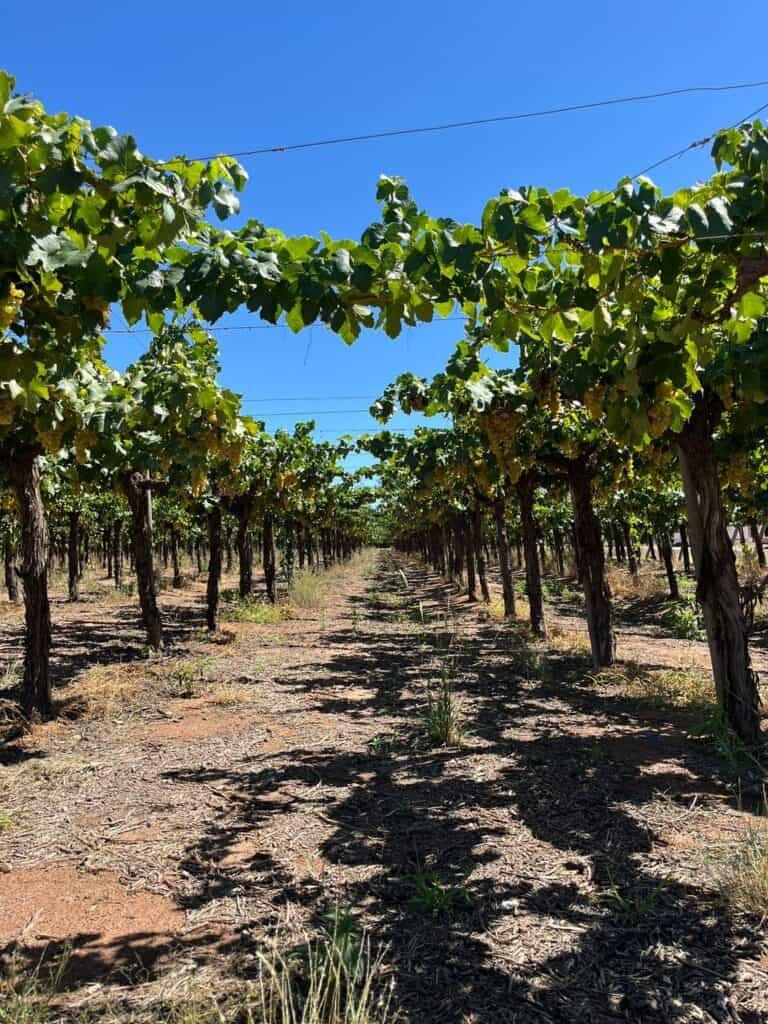
If you’ve ever stood in the wine aisle squinting at back labels, you’ll know that “organic” gets thrown around a lot. But Argentine wine, particularly from the northwest, has a genuine claim to it. High altitude, dry climate, and low pest pressure mean many producers there have been farming without chemicals for decades, often without making a big deal of it.
These are the bottles worth knowing about if you’re looking for organic Argentine wine in the UK.
What Does Organic Wine Actually Mean?
A wine is considered organic when the grapes are grown without synthetic pesticides, herbicides, or fertilisers. In the EU and UK, certified organic wines also have restrictions on sulphites added during winemaking, though some sulphites occur naturally in all wine.
It is fair to say, organic doesn’t automatically mean better wine, but it does mean less chemical intervention in the vineyard. For the wines above, the organic certification reflects the farming practices that have long been standard in high-altitude La Rioja, not a trend adopted for the label.
Why Argentine Wine and Organic Farming Go Together
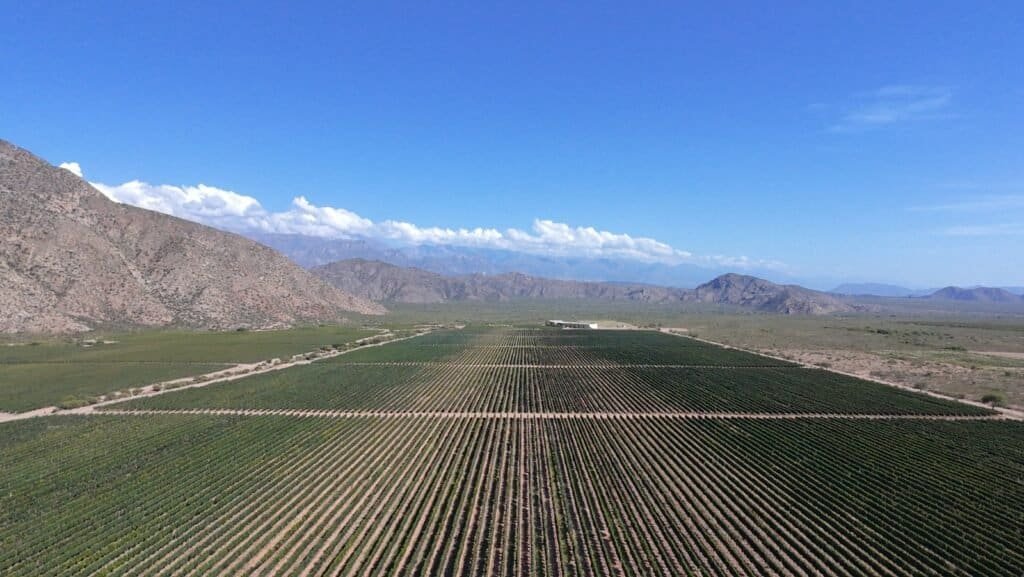
The Famatina Valley in La Rioja province sits above 1,000 metres. At that elevation, the air is dry, UV exposure is intense, and fungal disease, the main reason most winemakers reach for agrochemicals, is rarely a problem. Organic farming here isn’t a marketing decision. It’s often just how things have always been done. The story dates back to the native Diaguitas who inhabited this land before the colonisation of the Spanish. It is when the knowledge of farming of the Diaguitas met the introduction of European grapes that teh magic happens, bringing to area one of the most sophisticated and high quality wines of the region.
La Rioja province is one of Argentina’s oldest wine regions, and cooperatives like La Riojana have held Fairtrade and organic certification for years, supplying supermarkets across the UK without much fanfare at an affordable price.
You can even get a bottle of certified, organic wine for the cost of a pint in London these days.
The Best Organic Argentine Wines from Famatina Available in the UK
You don’t have to break the bank to drink good wine and there are hidden gems in UK supermarkets available to purchase for better value than a London pint. See my (not so secret) recommendations below:
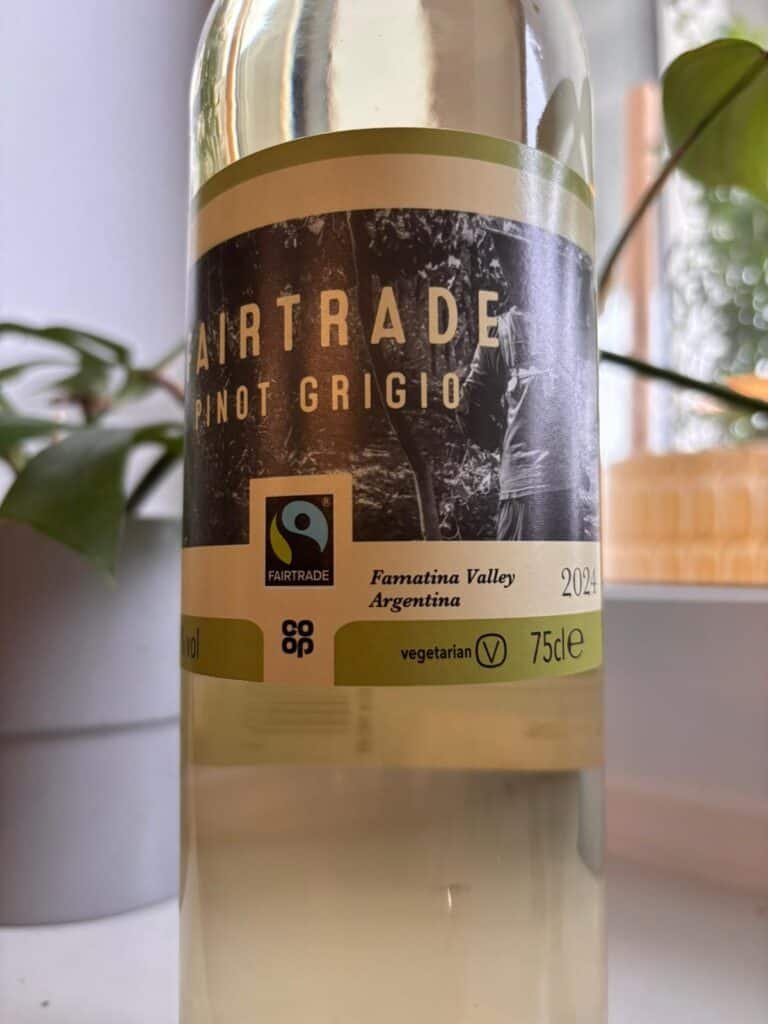
La Riojana Pinot Grigio (Co-op, around £7)
La Riojana is a Fairtrade cooperative based in Chilecito, in the Famatina Valley. Their Pinot Grigio is light, dry, and slightly floral, with the kind of clean finish you get from grapes grown at altitude. It’s certified organic and Fairtrade, and it’s one of the most accessible entry points into Argentine wine at this price point.
Tilimuqui Fairtrade Organic Malbec (Waitrose / Co-op, around £9)
Also from the La Riojana cooperative, the Tilimuqui Malbec is fuller and more structured than you’d expect at this price. It is ripe dark fruit, a hint of violet, and enough tannin to hold up to food. This Argentinian malbec is both organic and Fairtrade certified. Good news is that you can find this wine on the shelves of Waitrose and the Co-op.
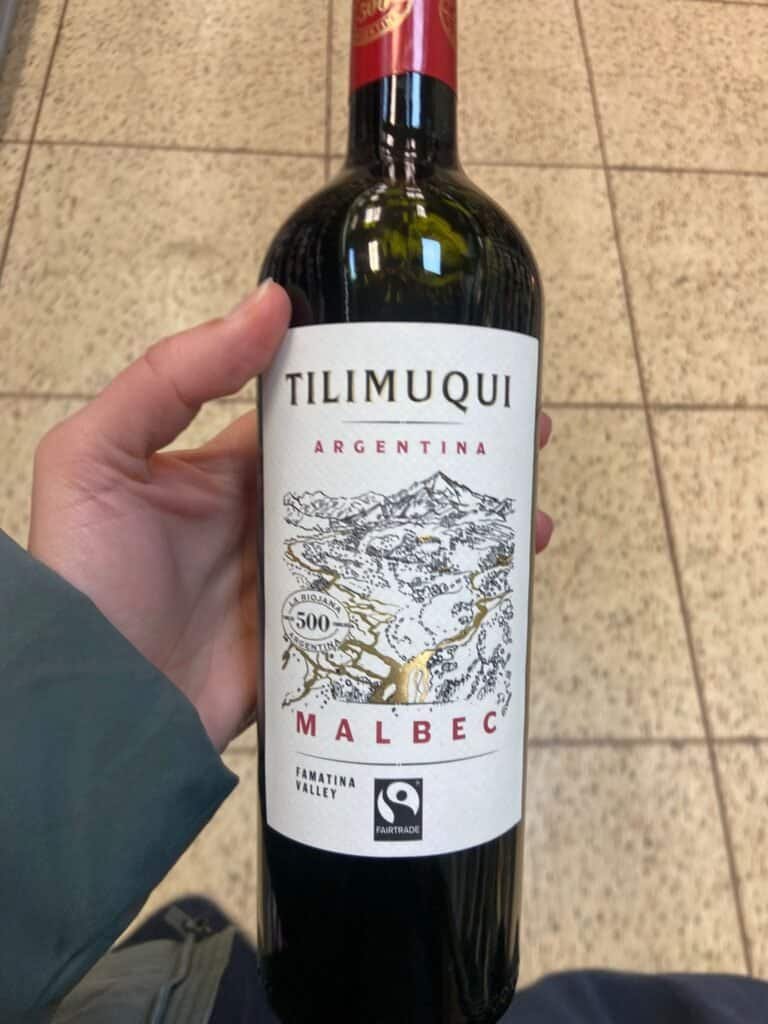
Pronounced ‘ti-lee-moo-key’ is one of the most affordable malbecs from the Famatina Valley.
Tilimuqui Sparkling (Co-op) £10.50
An organic sparkling wine from the same cooperative, made in a fresher, lighter style. Worth trying if you want something different from the usual Prosecco or Cava options, with the added reassurance of organic certification for a reasinable price.
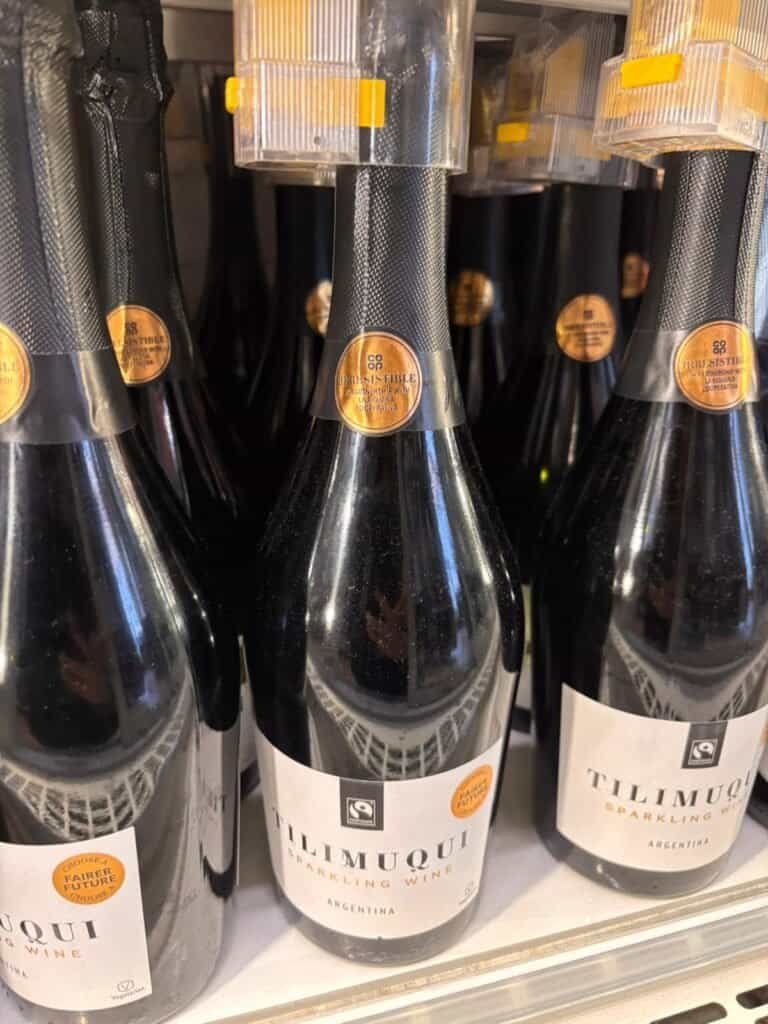
Tilimuqui does not only do reds like malbec, they have a pretty affordable sparkling wine stocked at the Co-op
If you’d like a deeper comparison of Argentina’s signature white grape against a familiar favourite, see our Torrontés vs Sauvignon Blanc guide.
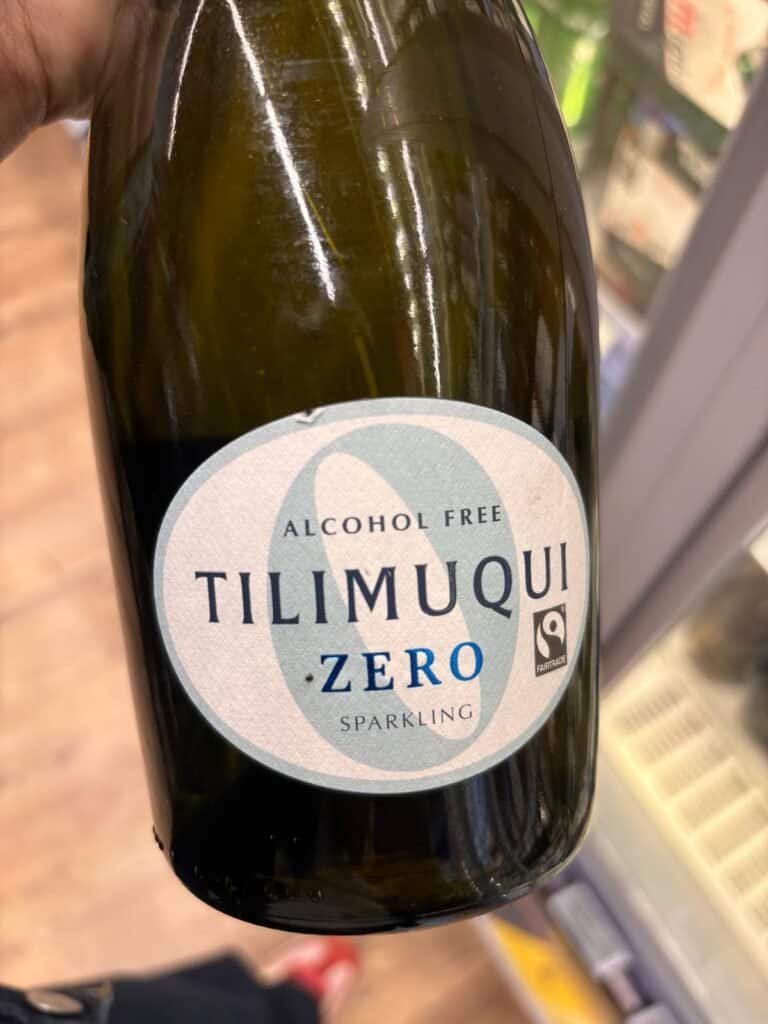
Tilimuqui Zero (Co-op) £5.50
A low/no-alcohol sparkling wine from the same organic, Fairtrade-certified cooperative, for anyone wanting the Tilimuqui style without the alcohol content. A useful pick if you’re cutting back but don’t want to give up wine altogether. Tip: serve it colder than any other normal sparkling wine. That will give you the sense that you are drinking a wine and not just fizzy juice.
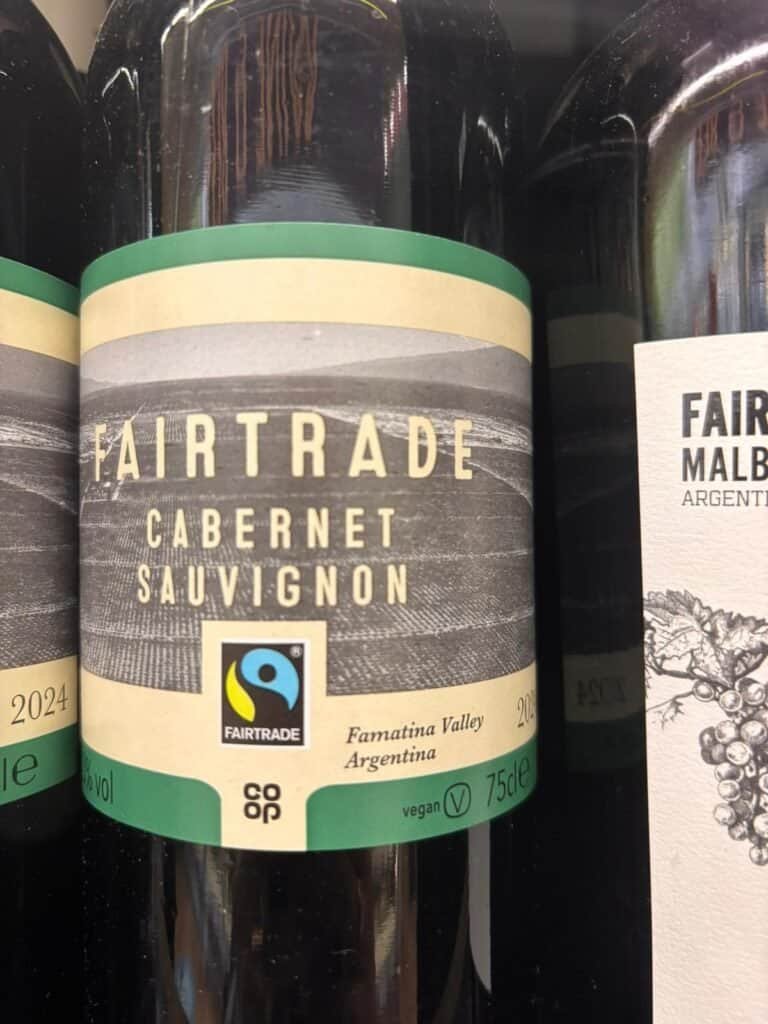
Tilimuqui Cabernet Sauvignon (Co-op)
If you want to go for a bolder, more structured red than the Malbec, with the same organic and Fairtrade credentials. Good for anyone who prefers Cabernet’s firmer tannins and darker fruit.
Where to Buy Organic Wines in the UK
La Riojana and Tilimuqui wines are stocked at Co-op and Waitrose respectively. For a wider range of organic Argentine wines, Laithwaites and Majestic occasionally carry small-producer bottles worth exploring.
Another option is to look at your local wine shop. Supporting local wine merchants is always encouraged. Try your small wine shop nearby, talk to the owners or manager who have carefully crafted the list of wines for their clients, and ask them about their organic options from Argentina. I am sure that if they don’t stock it yet, they will find the bottles for you.
If you want to go deeper and try the only truly Argentinian grape, I have written a guide on Torrontés updated periodically to make your British summer a torróntés one.
Salud!
Argentinian Organic Wine FAQs
Is Argentine wine usually organic?
Not all of it, but a significant amount is. Argentina’s northwest, including La Rioja, has a dry, high-altitude climate that naturally limits the fungal disease most vineyards use chemicals to control. This makes organic farming far easier to sustain there than in damper wine regions.
Where can I buy organic Argentine wine in the UK?
Co-op and Waitrose both stock organic, Fairtrade-certified options from the La Riojana cooperative, including their Pinot Grigio and the Tilimuqui range. Online retailers like Laithwaites and Majestic also carry organic Argentine wines from smaller producers.
Is organic wine the same as Fairtrade wine?
No. Organic certification relates to how the grapes are farmed, without synthetic pesticides or fertilisers. Fairtrade certification relates to fair pay and working conditions for the people who grow and produce the wine. Some producers, like La Riojana, hold both certifications, but a wine can be one without the other.