The route of wine of Argentina
The Route of Wine in Argentina tells a story that spans more than five centuries of winemaking. But there is a hidden gem no one talks about.
Melisa Araya
1/19/20264 min read


What is the route of wine in Argentina?
The Route of Wine in Argentina tells a story that spans more than five centuries of winemaking. With an interesting mixture of influences from native indigenous peoples that inhabited the land way after the Spanish colonisation and the arrival of Europeans in the continent. It has evolved throughout the years to be an intrinsic part of the Argentinian identity. Wine production spans from north to south, but there is a region on the north-west part of the country which marvels the world, and it is known as the route of wine.
Argentina’s route of wine explained
The route of wine, or Ruta del Vino isn’t literally a route but more of a circuit, and it is composed of 4 key provinces that not only offer amazing scenery and weather conditions for wine production, but also rich solid diversity that elevates the different types of wines Argentina has to offer. A malbec from Mendoza will have differences with a malbec from Salta, or a Chardonnay from San Juan will be somewhat similar to one from La Rioja. So, let’s delve into that.
Which provinces are part of the route of wine in Argentina?
The route of wine covers, from south to north, Mendoza, San Juan, La Rioja, Catamarca, Tucuman up to Salta. The ultimate destination for those wine enthusiasts who want to visit Argentina.
Mendoza wine region
Mendoza is definitely the star of the route of wine, as it is a top tourist destination for those who want to indulge themselves with wine and excellent weather. Places like San Rafael, Mendoza capital city & Luján de Cuyo, to name a few, are home to the world’s best vineyards in the world. In fact, six of The World’s 50 Best Vineyards are located in Mendoza.
Salta & Cafayate
Salta has won predominance in the last few years as its exquisite cuisine and vegetation makes it a proliferated area for wine production. Cafayate is the heart of the wine production of the province. Pairing your food with Empanadas Salteñas are chef’s kiss. Just amazing!
San Juan wine region
San Juan is the second-largest wine producing provinces of wine, home of one of the three varieties of the only Argentinian signature grape: the torrontés sanjuanino. San Juan’s history dates back to the Mesozoic era. Visitors are drawn to visit the Ischingualasto National Park, or “The moon Valley”, which makes you think you are literally on the moon. Its arid scenery and soil makes it perfect for the evolution of wine. Pretty cool if you ask me.
La Rioja: Argentina’s Hidden Wine Gem
La Rioja (not to be confused with La Rioja situated in Spain) is the hidden gem in my opinion. I know I am biased, but La Rioja has been the neglected sibling all this time. The one "no one paid attention to”, while they were focusing on Mendoza. Unlike Mendoza, La Rioja turns up the heat with a hotter, drier climate shaped by its rugged, arid landscape. Think dramatic canyons, sun-soaked vineyard valleys, and otherworldly desert scenery like salt flats that shimmer, lagoons perched high in the mountains, and bold red rock formations that look straight out of an adventure movie. Similarly to San Juan, it has soil richness which traces back to immemorial times.
Home to the striking Talampaya National Park declared as UNESCO World Heritage Site in 2020, La Rioja sits at the bottom of the Andes surrounded by valleys. Not only the wine production thrives in La Rioja, but also one of the award-winning olive oils of the world is produced there. And the olives, I dare say, have nothing to envy to the world-famous Greek olives.
Argentina’s signature white wine: torrontés
Torrontés Riojano is perhaps the most famous of all the three varieties of torrontés we have in Argentina. It is the one and only Argentinian grape. The one I used to spot at all my family meals, enjoyed in bottles or damajuanas paired with empanadas and asado. My recent experience acquiring torrontés in London has revealed that many Londoners seem not too keen to have it for fear of it being too sweet or fragrant. Annoyingly, it is mostly found in blends to make it more marketable. My bet is that they haven’t tried a good torrontés, and they are missing out on an excellent white wine.


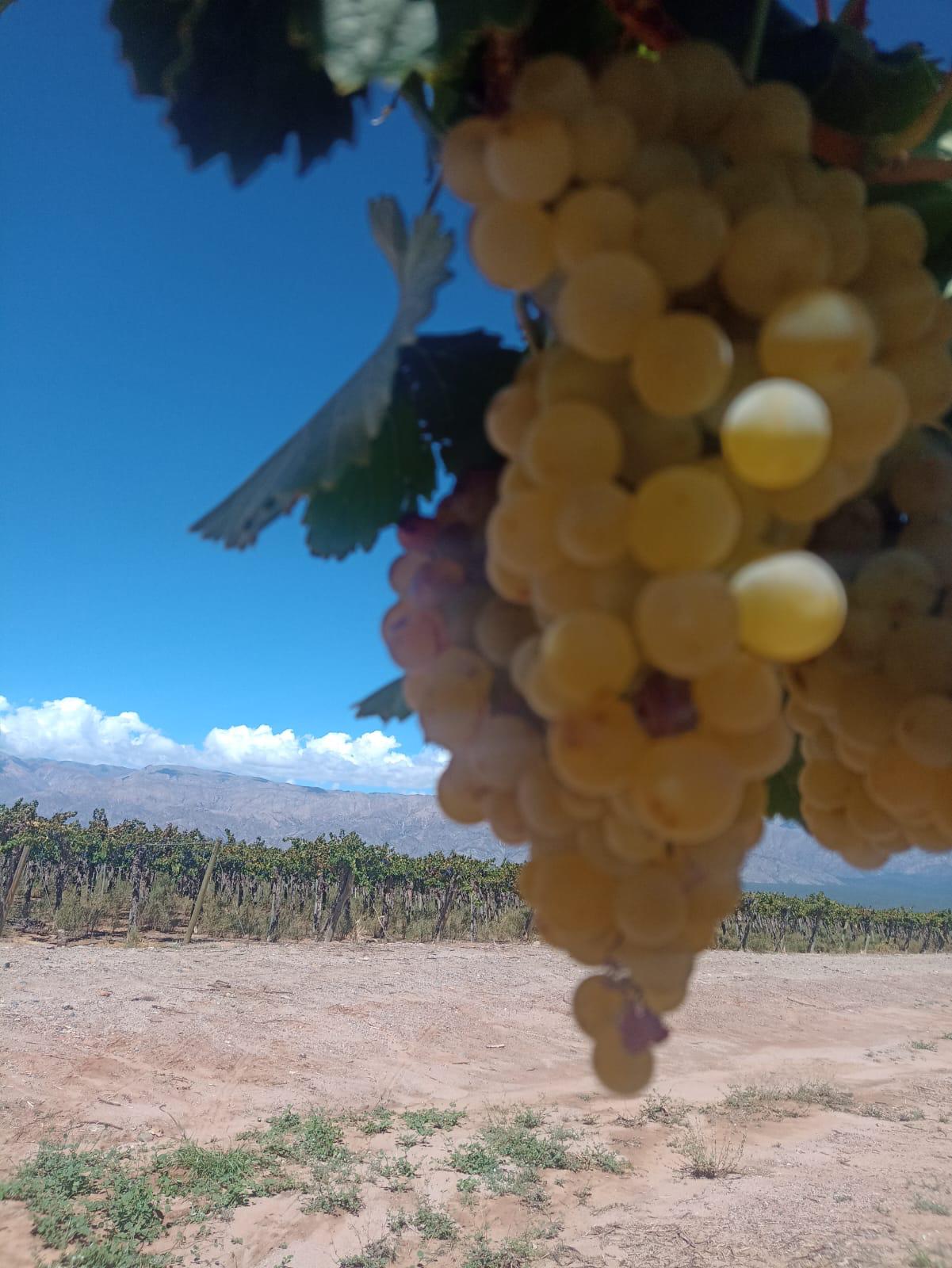
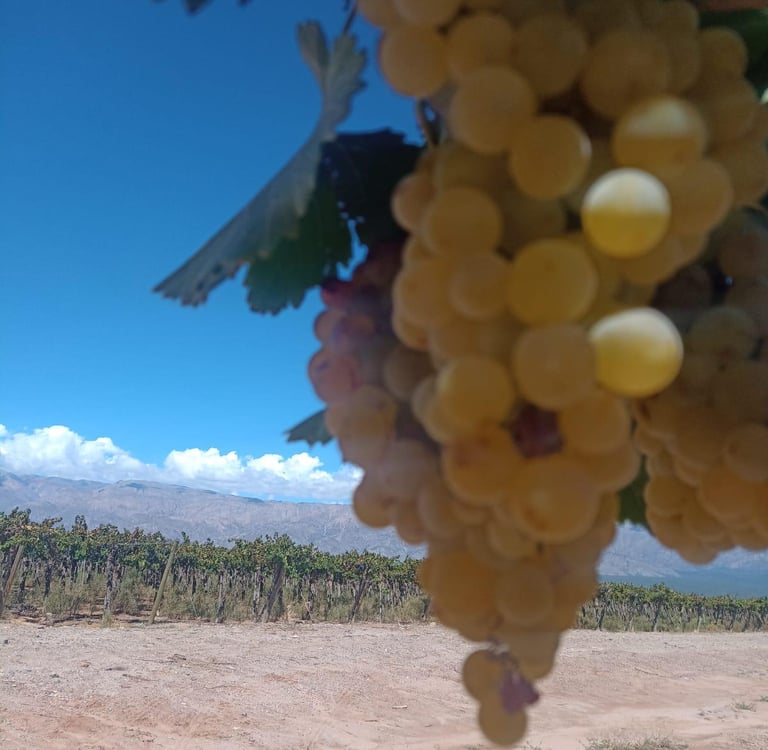
La Rioja is home to many indescribable experiences which are, in fact, meant to be savoured, seen, understood and devoured. It deserves the limelight Mendoza has. Having a glass of torrontés riojano in my London flat reminds me that I am not only drinking just another glass of white wine, but that I am consuming centuries of history, richness of soil and hard-working resilience of families, included mine.
It is crazy to think that a province such as La Rioja that has valleys, canyons, high-altitude lagoons with pink flamingos!, and that is the home to the only native truly Argentinian wine grape is barely unknown to the world.
I invite you to learn, explore and investigate that every time you drink wine, you are drinking history and landscape in one glass.
Salud!
FAQs
What is the Route of Wine?
The Route of Wine (in Spanish La ruta del vino) is a circuit of provinces in the north-west of Argentina, sitting at the bottom of the Andes, which is primarily well-known as the main wine producing areas of the country.
What provinces make the route of wine in Argentina?
The Route of Wine is formed by Mendoza, San Juan, Salta, Catamarca, La Rioja and Tucuman.
Where is the signature wine of Argentina?
Torrontés is the signature Argentinian white grape and the torrontés riojano is from La Rioja, Argentina. There are 2 other varieties of torrontés, which are torrontés mendocino and torrontés sanjuanino.
Which is the most famous valley in La Rioja?
The Famatina valley is one of the most well-known valleys in La Rioja. Located in a remote part of the province, Famatina Valley is the home of small family-owned vineyards.
Subscribe
Get access to tips, cool, info, recipes & personal recommendations about Argentinian wine & food