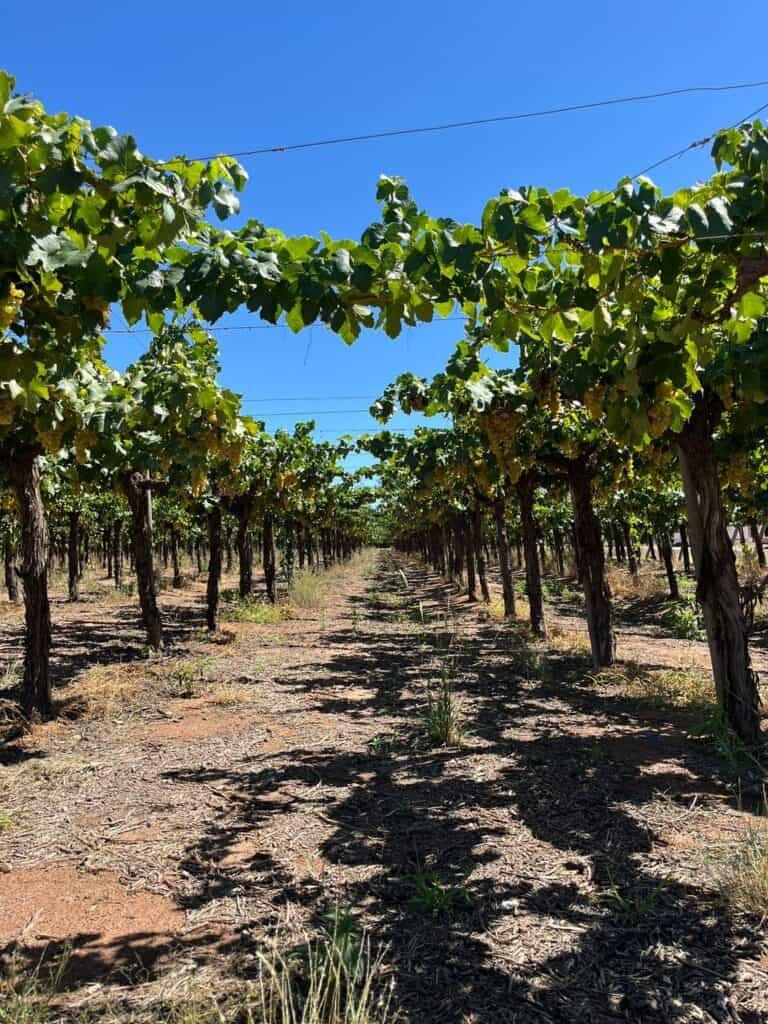
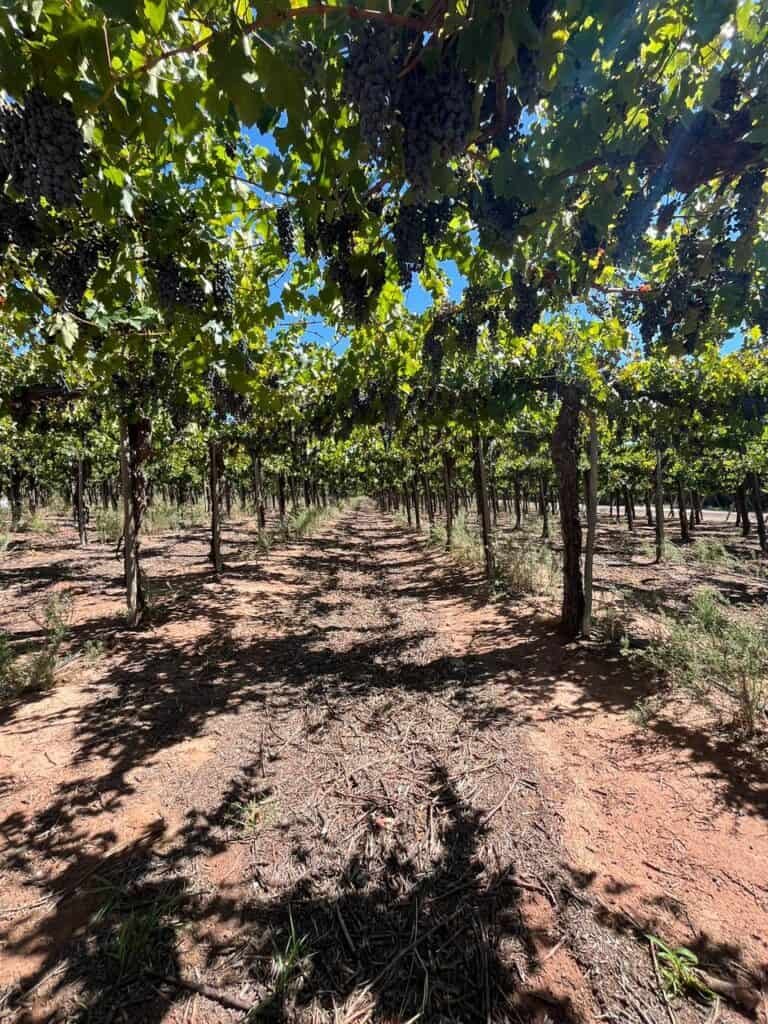
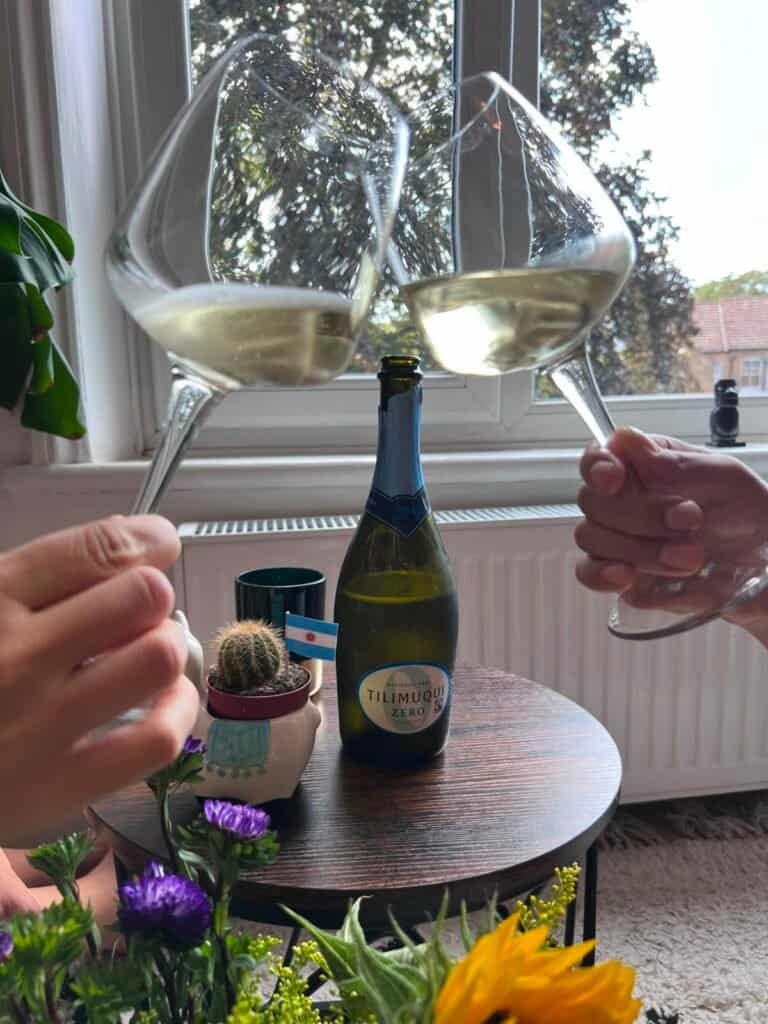
Tilimuqui Fairtrade Sparkling Zero is a 0% ABV sparkling wine made from Moscatel grapes grown in the Famatina Valley, La Rioja, Argentina. Unlike most alcohol-free sparklers, it’s dry rather than sweet, with real acidity and persistent bubbles, because the grape’s natural aromatic intensity survives the de-alcoholisation process. It’s Fairtrade certified, gluten-free, vegan, and sold exclusively at Co-op stores across the UK for £5.00.
Is there any good alcohol-free sprakling wine?
If you’ve cut back on drinking, or stopped altogether, you’ve probably already worked out the hardest part isn’t avoiding alcohol. It’s finding something to hold at the table that doesn’t feel like you’ve been handed the consolation prize while everyone else gets the good stuff. Most alcohol-free sparkling wine doesn’t solve that problem. It just gives you fizzy, sweet grape juice in a nicer bottle, and you can tell.
Tilimuqui Fairtrade Sparkling Zero is one of the few I’d actually pour on purpose, not just when I’m the one not drinking. Let’s deep dive into this de-alcoholised wine.
What is de-alcoholised wine?
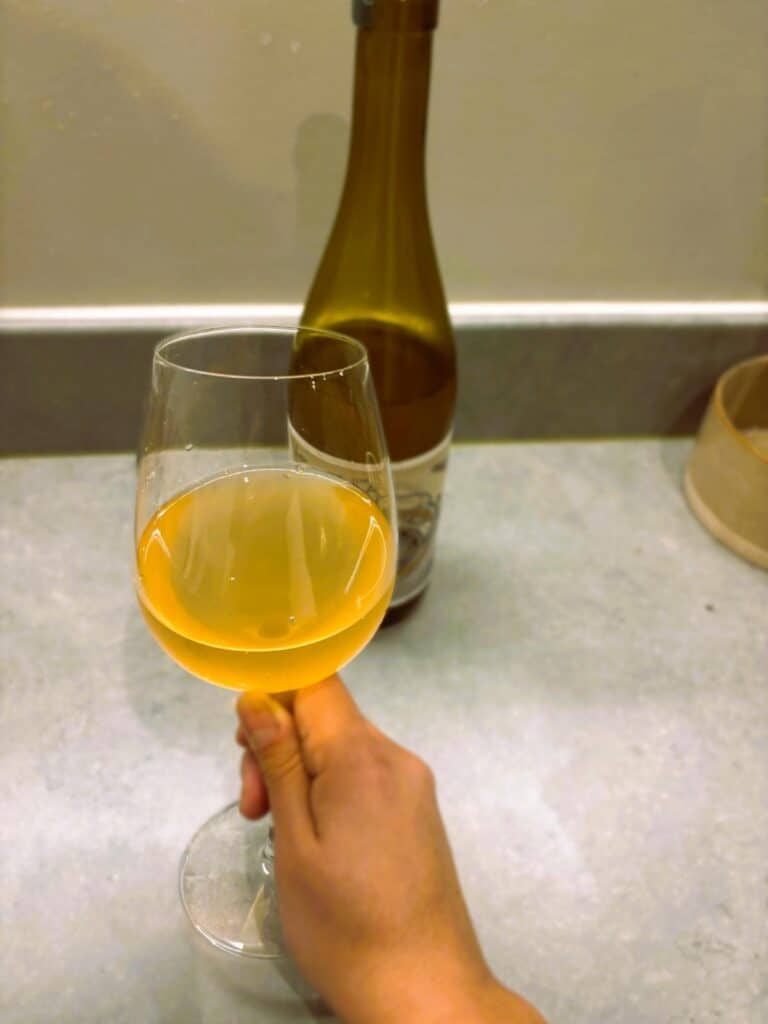
A de-alcoholised wine is made from fully fermented wine that has had most of its alcohol removed through a gentle process, usually spinning cone or vacuum distillation. It simply means removing the alcohol from a wine without affecting its qualities. If you are new to the concept, as mad as it sounds, wine can be de-alcoholised.
The result retains much of the original grape character, aromatics and structure, without the ABV. It is different from grape juice because fermentation still happens first, which is what gives de-alcoholised wine its complexity and dry finish. Most bottles land below 0.5% ABV, which qualifies as alcohol-free under UK law.
Why It Actually Works at the Table
The thing that ruins most 0% sparklers is that they’re too sweet, too flat, or both, so you end up nursing a glass instead of enjoying it. This wine doesn’t have that problem. It’s dry enough to hold its own next to what everyone else is drinking, with real acidity keeping it sharp rather than syrupy, and small, persistent bubbles instead of the big soda-style fizz you get in a lot of alcohol-free options.
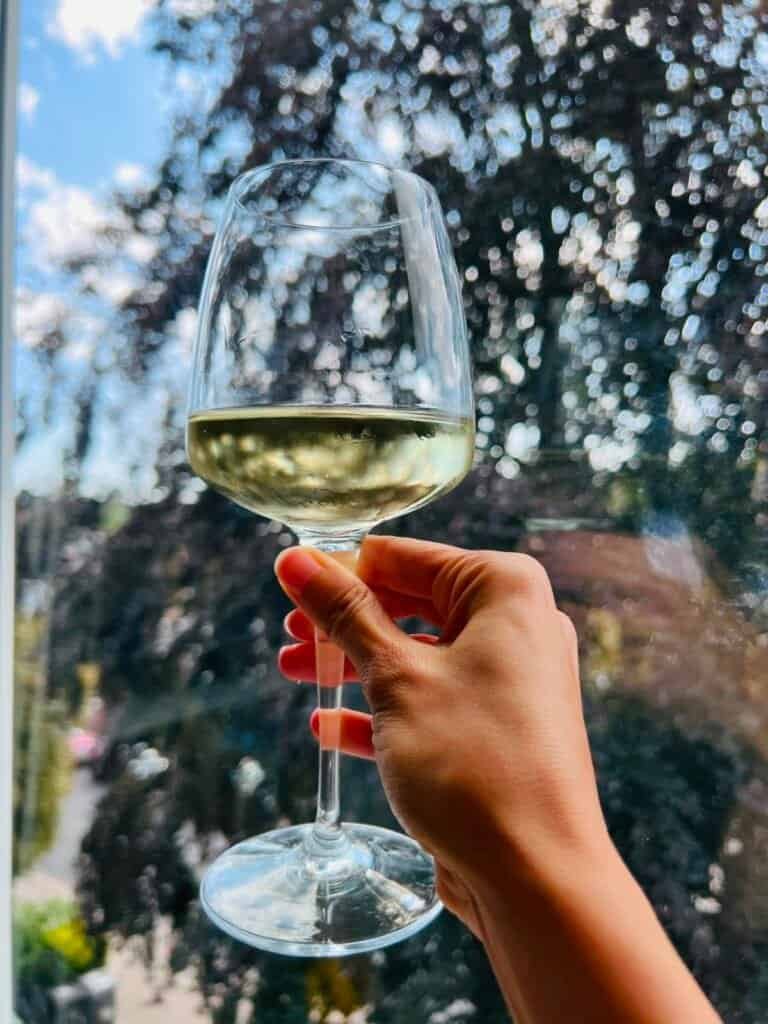
You get proper aromatics too, ripe stone fruit, orange blossom, something faintly tropical, which matters more than people expect. A big part of why non-alcoholic drinks can feel hollow is that alcohol normally carries a lot of a wine’s aroma. Take it out of something that wasn’t aromatic to begin with and there’s nothing left. Take it out of this, made from Moscatel, from Famatina one of the most naturally aromatic white grapes there is, and there’s still plenty going on.
Serve it properly cold, 6 to 7°C, (for hot days, straight out from the freezer) and pour it soon after opening.
So, who is this is alcohol-free sprakling wine actually for?
- Dry January, or any month you’re taking a break. Something to have on hand that doesn’t make abstaining feel like deprivation.
- Vegans: It is a great vegan sparkling wine.
- Sober curious, cutting back, or just not drinking tonight. No explanation required when you’re holding a proper glass of something that looks and tastes the part.
- In recovery, or simply choosing not to drink long-term. A genuine alternative rather than a reminder of what you’re not having.
- Anyone driving, pregnant, or just done for the night who still wants something better than a soft drink.
None of that needs justifying to anyone else at the table, let wine be the union of the table not the reason. That’s really the whole point of a wine like this existing.
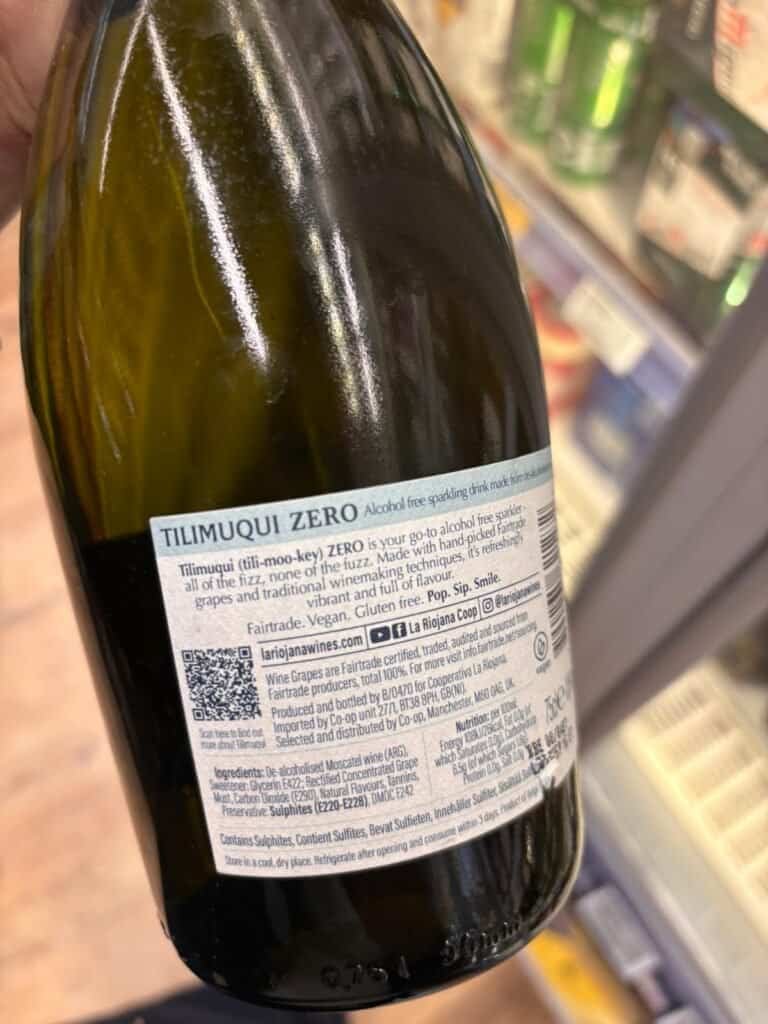
Pronounced “tili-moo-key”, this alcohol free sparkling will be your go-to wine for sober picnics. One of the best affordable de-alcoholised wines available in the UK.
The Honest Bits: Price, Where to Find It, What It Isn’t
At £5.00 and stocked in over 500 Co-op stores across the UK, it’s cheap enough to keep a couple of bottles in the fridge without thinking about it, rather than something you have to plan three days ahead of a picnic or a dinner. It’s Fairtrade certified, gluten-free, and vegan, made from grapes grown in the Famatina Valley in La Rioja, Argentina, a Fairtrade-farming region since 1941.
It won’t fool anyone into thinking it’s a full-strength Champagne, and it shouldn’t have to. At 0% ABV it qualifies as alcohol-free under UK law, and it tastes like what it is: a well-made, dry, aromatic sparkling wine with the alcohol taken out, not a sugary substitute pretending to be something else.
FAQs
Will people be able to tell it’s non-alcoholic?
Not from the taste alone. It reads as a proper dry sparkling wine rather than a sweetened alternative.The trick lies in the temperature: more chilled than most white wines.
Is it actually dry, or just marketed that way?
It’s dry, with real acidity. There’s a touch of natural sweetness from the grape but it doesn’t tip into syrupy, which is the usual giveaway with weaker alcohol-free wines.
Is it really 0% alcohol, or just low alcohol?
It’s 0% ABV, which qualifies as alcohol-free under UK law. That’s a different category from “low alcohol” wines, which can still contain up to 1.2% ABV.
Is it safe to drink while pregnant, or if I’m avoiding alcohol for a medical reason?
At 0% ABV it’s formulated to be alcohol-free, but if you’re avoiding alcohol for a medical reason, it’s worth checking the label for your specific circumstances or asking your doctor, since de-alcoholisation processes can leave trace amounts in some products.
Where can I actually buy it?
Over 500 Co-op stores across the UK, £5.00 a bottle, and it’s a permanent listing rather than a limited seasonal run.
How should I store it, and how long does it keep once opened?
Keep it chilled and treat it like a normal sparkling wine: best drunk within a day or two of opening, resealed and refrigerated, since the bubbles won’t hold much longer than that.
Is it suitable for vegans or anyone avoiding gluten?
Yes, it’s both gluten-free and vegan.