Torrontés: The Argentinian White Wine Most Brits Haven’t Tried (Yet)
So, you think that the world of Argentinian wine was only Malbec? Surprise, surprise, there is an almost, unrevealed secret most Brits have not yet discovered in the form of white wine.
Melisa Araya
2/9/20265 min read
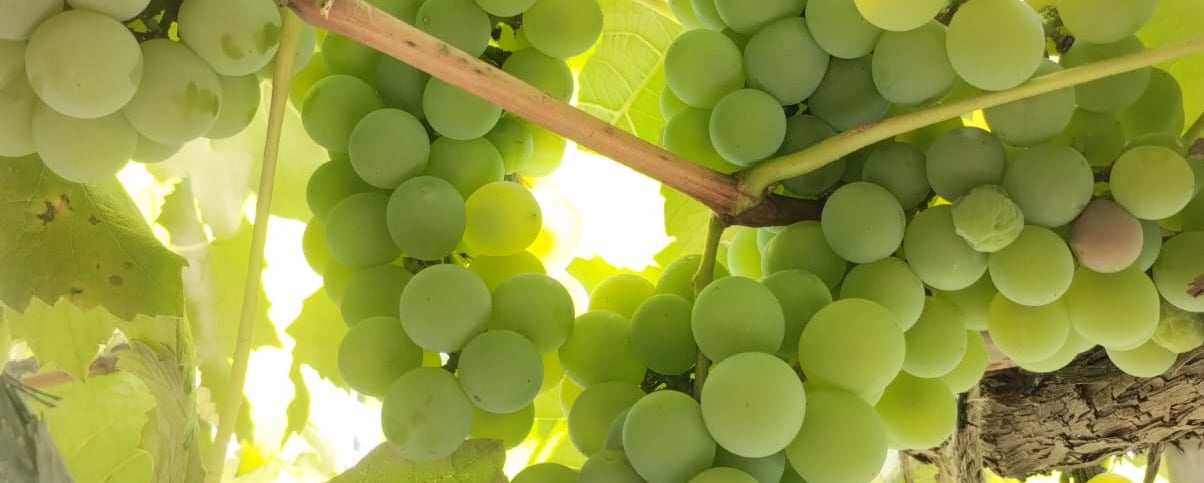
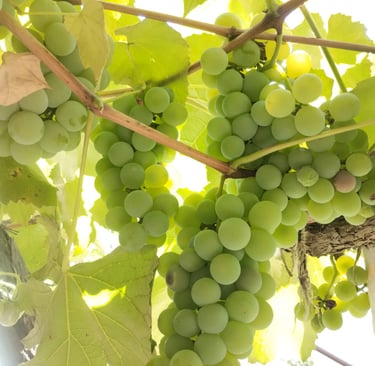
Is Malbec the only Argentinian Wine?
Whenever anyone thinks of Argentinian wine, they immediately think of Malbec.Torrontés rarely shouts for attention. Long overshadowed by Malbec, this intensely aromatic grape tells a quieter, more nuanced story about place, altitude, and identity.
For the sake of clarity and transparency. This is not a tasting note cheat sheet, for I am not an expert or sommelier. I am only intending to share what I have learned from family relations and deep connection to vineyards.
If you’re at the very beginning of your journey beyond Malbec, our earlier piece on The Forgotten Wine of Argentina offers a wider lens on why I am embarking on this journey to shift the narrative about Torrontés wine. But, let’s crack on and talk about the grape!
What Is Torrontés Wine from Argentina?
Torrontés is Argentina’s most important native white grape variety. And I dare say: the OG one. I am going to confess that, like many other people, I did not know that. I found out not long ago (yes, I know!) that Malbec was, in fact, French and that, the wine that my dad drank during dinners was actually the original, native grape of Argentina.
Although it shares a name with Spanish grapes, Argentine Torrontés is genetically unique, born from a natural crossing that happened centuries ago. It is believed that Torrontés is actually the mixture of Moscatel de Alejandría and Criolla Chica.
According to historian Pablo Lacoste, there is a correlation of the Moscatel travelling from Constantinople to Argentina during the Spanish colonisation. When the plants mixed up with the "Uva criolla", a new variety rose: Torrontes.
Today, Argentina produces basically all the world’s Torrontés, making it a true national wine identity. Let that sink again: almost all the world’s Torrontés, wine is produced in Argentina. Yet, it is really unknown. You’ll mainly find it grown at high altitude, where sunshine builds aroma while cool nights preserve freshness.
For anyone exploring white wine of Argentina beyond Chardonnay, Torrontés is the reference point.
Where does Torrontés thrive in Argentina?
While Torrontés is grown across several Argentine provinces, its most well-known types come from the country’s north-west, where altitude, light, and arid landscapes shape the grape with remarkable clarity.
La Rioja, and more specifically the Famatina Valley, sits quietly at the centre of this story. I am biased, I am aware of that, but it is one of the most incredible regions I have ever seen. Surrounded by the Andes and planted at significant altitude, the valley offers intense, scorching at times of the year sunlight during the day and cooling mountain air at night. You can even see a snowy valley in the midst of 37 degrees summer day. This natural dichotomy allows Torrontés to develop its signature aromatics without losing freshness or precision.
If you travel further north, regions such as Salta’s Cafayate Valley push altitude even higher, producing bolder, more exuberant styles, while Catamarca contributes smaller volumes with a leaner, mineral edge. Together, these regions explain why Torrontés Argentina wine feels inseparable from place & history.
Find out more about the geography of Argentina's wine in my article on the route of wine of Argentina.
So, What Does Torrontés Taste Like?
Torrontés is one of the most aromatic white wines you’ll ever smell, but don’t confuse aroma with sweetness. Unfortunately, it appears that most wine drinkers consider Torrontés a dangerous venture, due to a misconception of feeling as if you are drinking perfume.
Typical tasting notes include:
Orange blossom and jasmine (some of them have that orange shade in the glass)
Rose petals and ripe peach
Citrus zest and fresh herbs
On the palate, good Torrontés is dry, crisp, and mouthwatering, with a light to medium body. This surprising contrast is what makes it so appealing to UK drinkers used to Sauvignon Blanc or Albariño.
How to Enjoy Torrontés in the UK
Torrontés is best served well chilled is the key.
My top snack? A very chilled glass during a hot summer day, and pair it with a nice piece of cheddar cheese, with a (very thin and also optional) slice of dried plum.
Some budget-friendly options, such as Co-Op or even Waitrose, include Torrontés in their shelves and, it is not rare to find a sauvignon blanc, Chardonnay & Torrontés blend, for those with a more adventurous palate.
Its natural affinity for spice makes it an ideal partner for modern UK tables: Asian and Indian dishes, seafood, fresh herbs, vegetarian cooking, and lighter cheeses all allow the wine’s aromatics to lift rather than dominate. Fish empanadas are a good choice for pairing. Even a fancy cheese board when you are into entertaining is a suitable pairing.
Top host tip: you can always tell your guests that they are drinking the only OG Argentinian wine.
Why Famatina Wines Focuses on Torrontés?
Famatina Wines is my passion project and my goal is to reach greater audiences where Torrontés is not treated as a trend or a novelty. It is understood as a cultural expression of place, one that is shaped by altitude, climate, and history in Argentina’s north-west. My family’s history.
I want to create space for deeper appreciation: through storytelling, education, and carefully curated experiences that connect wine to food, landscape, and conversation. Let’s bridge the gap between snobbery and wine knowledge as they are not the best pairing.
Always remember to drink responsibly and share this story with your guests when you host your dinner parties.
Be the host who knows what they are talking about.
Salud!
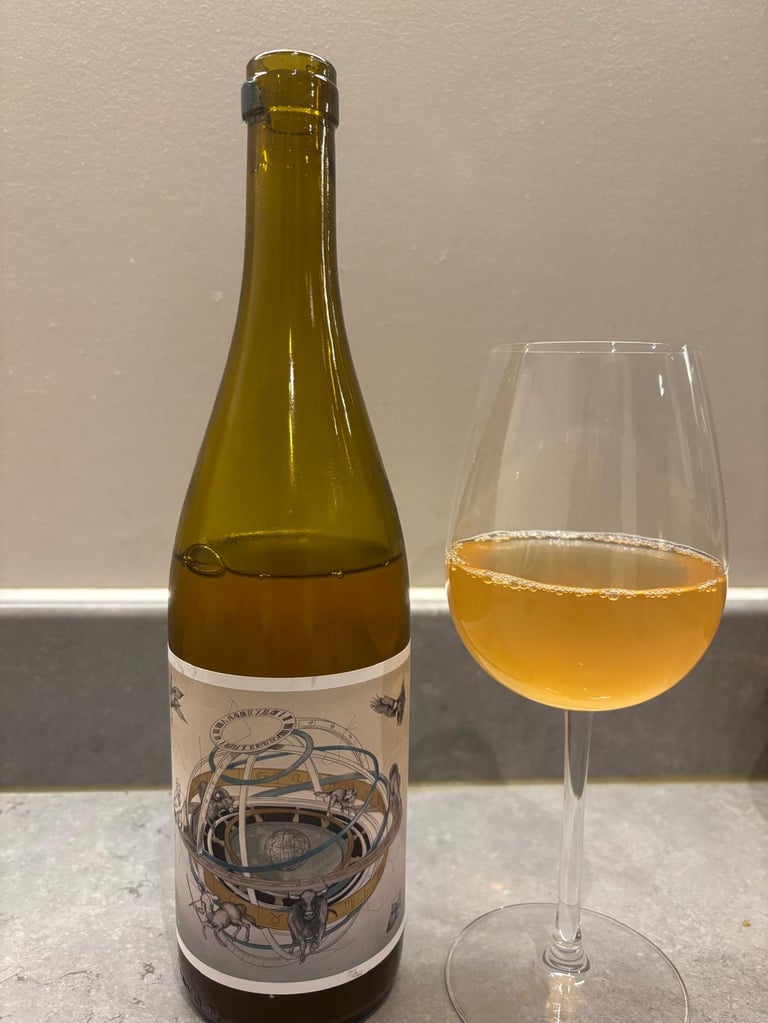
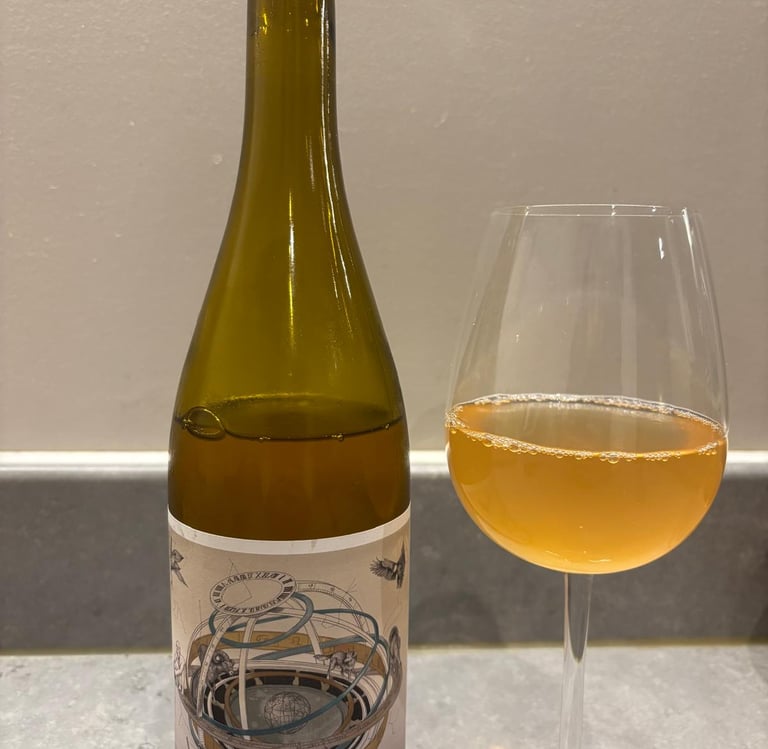
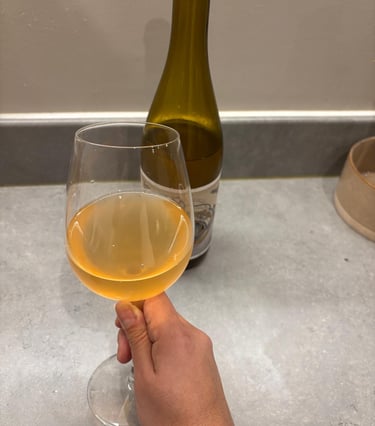
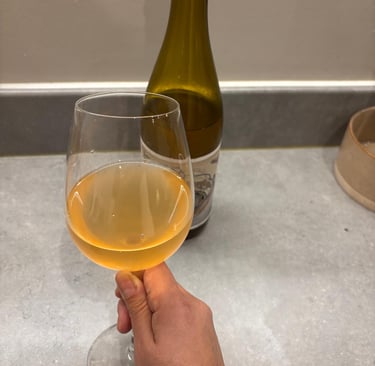
Blend Chardonnay, Sauvignon Blanc & Torrontes from Valle de Uco, Mendoza
FAQs
Is Torrontés a sweet or dry wine?
Most quality Torrontés from Argentina is dry, despite its highly floral aroma. The nose can feel sweet, but the palate is typically fresh and crisp.
Is Torrontés only produced in Argentina?
Yes. While grapes with the same name exist in Spain, Argentine Torrontés is unique, and Argentina is the only country producing it at scale.
What is the difference between Torrontés and Sauvignon Blanc?
Torrontés is more floral and aromatic, while Sauvignon Blanc leans toward grassy and citrus notes. Torrontés often feels more expressive on the nose but similar in freshness.
Why is Torrontés not well known in the UK?
Historically, Argentina focused on exporting Malbec. Torrontés is now gaining attention as UK wine drinkers look for distinctive, food-friendly white wines from Argentina.
Subscribe
Get access to tips, cool, info, recipes & personal recommendations about Argentinian wine & food